
Understanding Smart Grid Technology: A Comprehensive Guide
As the demand for more efficient and sustainable energy solutions grows, understanding smart grid technology becomes increasingly important. Smart grids represent a significant evolution in the way electricity is generated, distributed, and consumed, offering numerous benefits to both utilities and consumers.
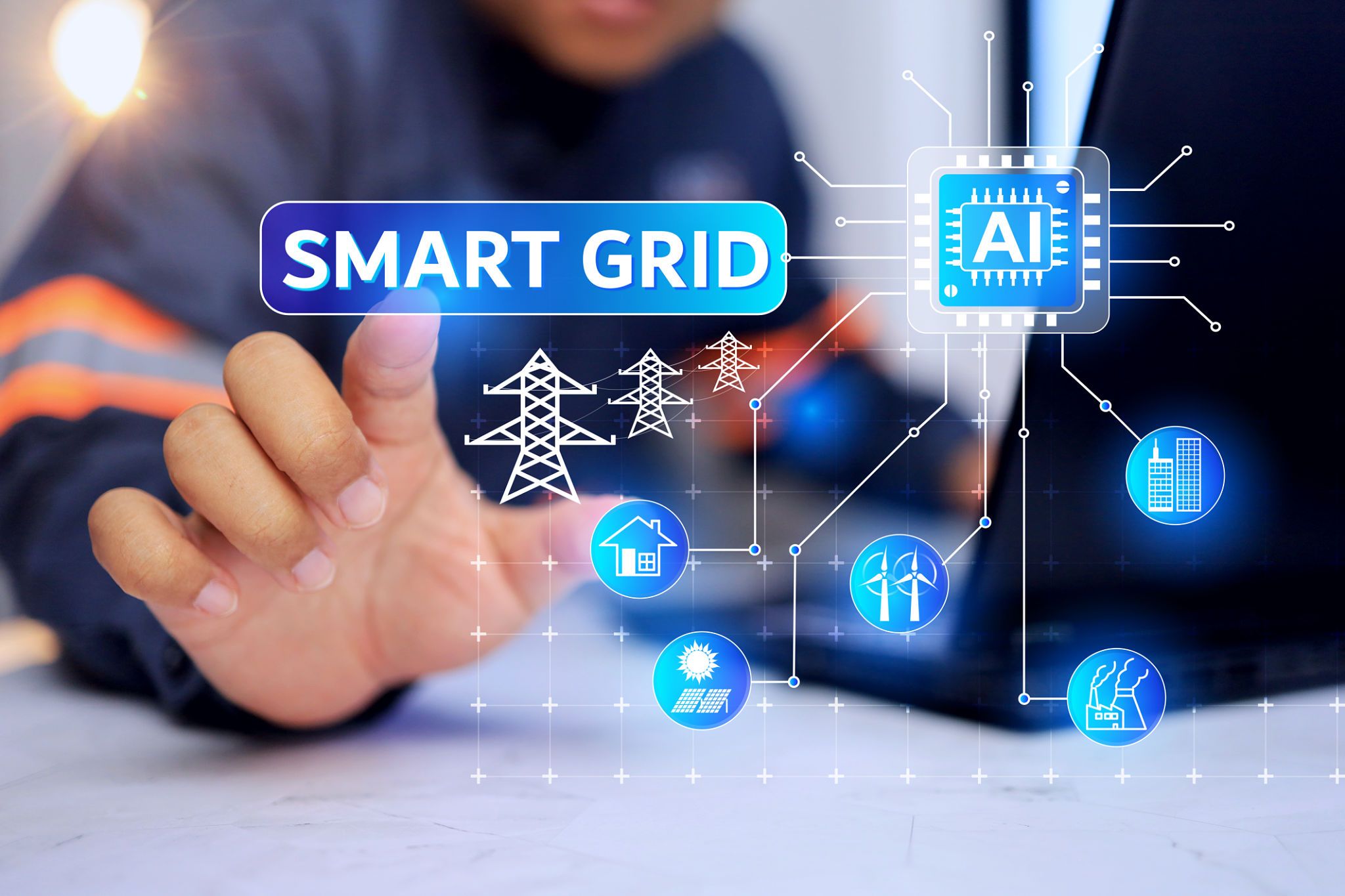
At its core, a smart grid integrates digital technology into the existing electrical grid, enabling two-way communication between utility companies and consumers. This connectivity allows for better monitoring, analysis, and management of energy resources.
Key Components of Smart Grid Technology
Advanced Metering Infrastructure (AMI)
One of the foundational elements of smart grids is Advanced Metering Infrastructure (AMI). This system involves smart meters that provide real-time data on electricity usage, helping consumers make informed decisions about their energy consumption. Utilities also gain the ability to detect outages more quickly and efficiently.
Distribution Automation
Distribution automation involves using sensors and devices to automate the monitoring and control of electricity distribution. This automation enhances the grid's reliability and efficiency by quickly addressing issues and minimizing downtime.
Benefits of Smart Grid Technology
Enhanced Energy Efficiency
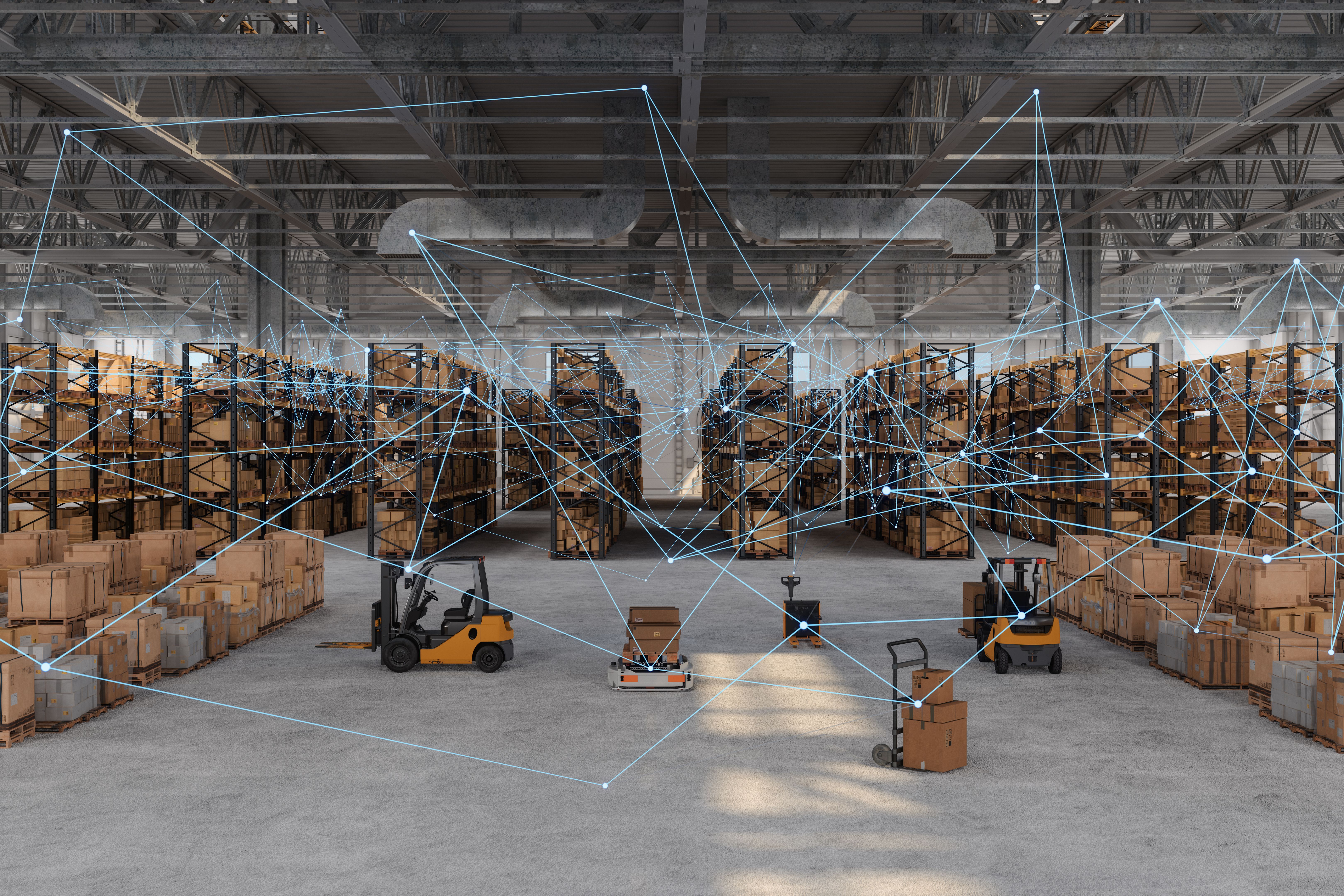
Smart grids significantly improve energy efficiency. By providing real-time data and enabling demand response programs, they allow consumers to adjust their usage during peak times, reducing the overall strain on the grid. This leads to energy savings and a more balanced demand.
Improved Reliability and Resilience
With the integration of smart grid technology, the electrical system becomes more resilient to disruptions. Automated systems can quickly isolate faults and reroute power, minimizing the impact of outages and enhancing overall reliability.
Challenges and Considerations
Cybersecurity Concerns
As with any digital technology, smart grids are vulnerable to cyber threats. Ensuring robust cybersecurity measures is crucial to protect sensitive data and maintain the integrity of the energy infrastructure.
Infrastructure Costs
Implementing smart grid technology requires significant investment in infrastructure upgrades, including installing smart meters and sensors. While the long-term benefits are substantial, the initial costs can be a barrier for some utilities.

The Future of Smart Grids
Looking ahead, smart grids are expected to play a pivotal role in supporting the integration of renewable energy sources. By efficiently managing the variability of sources like solar and wind, smart grids can facilitate a more sustainable and environmentally friendly energy landscape.
As technology continues to advance, smart grids will likely evolve further, incorporating artificial intelligence and machine learning to optimize energy distribution and consumption. Embracing these innovations will be essential for meeting future energy demands efficiently.