The Role of Advanced Data Analytics in Modern Energy Systems
Understanding Advanced Data Analytics
In recent years, the energy sector has experienced a significant transformation, largely driven by the integration of advanced data analytics. This technology enables energy companies to optimize operations, enhance efficiency, and support sustainable practices. By leveraging large datasets, companies can gain insights that were previously unattainable, transforming how they manage and distribute energy.
Advanced data analytics involves processing vast amounts of information to identify patterns, predict trends, and make informed decisions. It's a powerful tool that helps in the monitoring and management of energy consumption, production, and distribution. The insights gained can lead to improved decision-making and strategic planning.

Enhancing Energy Efficiency
One of the most significant benefits of advanced data analytics in energy systems is the enhancement of energy efficiency. By analyzing consumption patterns, companies can identify areas where energy is wasted and implement strategies to reduce inefficiencies. This not only saves costs but also contributes to environmental sustainability.
Smart grids, for instance, rely on data analytics to monitor and manage energy flow. By collecting data from various sources, these grids can make real-time adjustments to balance supply and demand, ensuring optimal performance. This ability to adapt quickly to changing conditions is crucial in a world where energy demands are constantly evolving.

Predictive Maintenance
Advanced data analytics also plays a crucial role in predictive maintenance. By continuously monitoring equipment and analyzing historical data, companies can predict potential failures before they occur. This proactive approach minimizes downtime and reduces maintenance costs.
Predictive maintenance relies on machine learning algorithms that analyze data from sensors installed on equipment. These algorithms can detect anomalies and provide alerts to technicians, enabling timely interventions and preventing costly repairs.
Facilitating Renewable Energy Integration
The transition to renewable energy sources is a key priority for many countries, and advanced data analytics is instrumental in facilitating this shift. By analyzing weather patterns and energy production data, analytics tools can optimize the integration of solar, wind, and other renewable energies into the grid.

This optimization ensures that renewable energy is utilized effectively, reducing reliance on fossil fuels and lowering carbon emissions. Moreover, data analytics helps in forecasting renewable energy production, allowing for better planning and resource management.
Consumer Empowerment
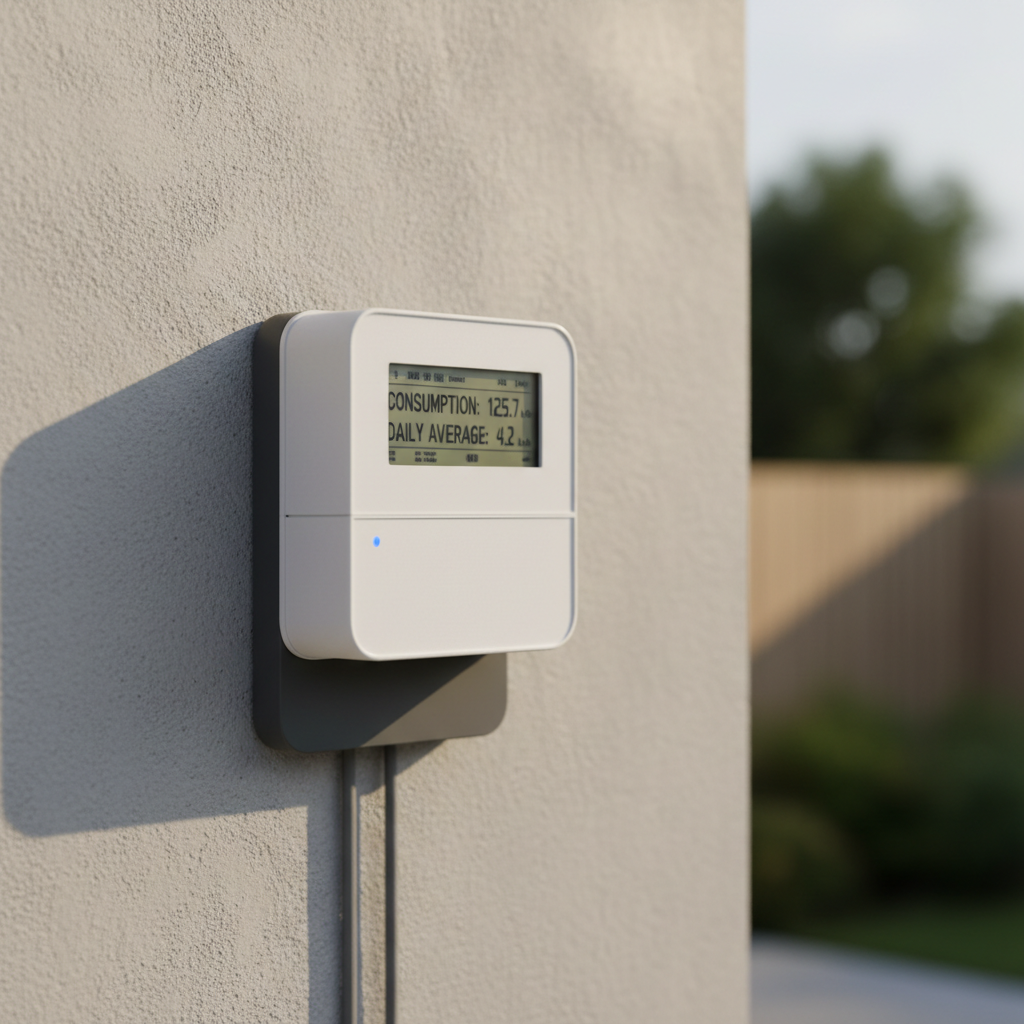
Advanced data analytics also empowers consumers by providing them with detailed insights into their energy usage. Through smart meters and energy management systems, consumers can track their consumption patterns and make informed decisions to reduce their energy footprint.
This level of transparency encourages sustainable behaviors and enables consumers to participate actively in energy conservation efforts. It also fosters a more collaborative relationship between energy providers and their customers.
Conclusion
In conclusion, advanced data analytics is reshaping modern energy systems by enhancing efficiency, facilitating renewable integration, and empowering consumers. As the technology continues to evolve, its role in the energy sector will undoubtedly expand, paving the way for a more sustainable and efficient future.
Energy companies that invest in data analytics are better positioned to navigate the complexities of the modern energy landscape, ensuring they remain competitive while contributing to global sustainability goals.