The Future of Energy Management Systems: Enhancing Efficiency and Sustainability
Introduction to Energy Management Systems
As the world increasingly shifts toward sustainability, the role of Energy Management Systems (EMS) becomes crucial in advancing energy efficiency. These systems are designed to monitor, control, and optimize the performance of energy resources, offering a significant leap in how businesses and households manage their energy consumption.
EMS technologies are evolving rapidly, integrating advanced analytics, automation, and IoT (Internet of Things) to enhance their capabilities. By leveraging these technologies, EMS can lead us to a future where energy use is both efficient and sustainable.
Key Features of Modern EMS
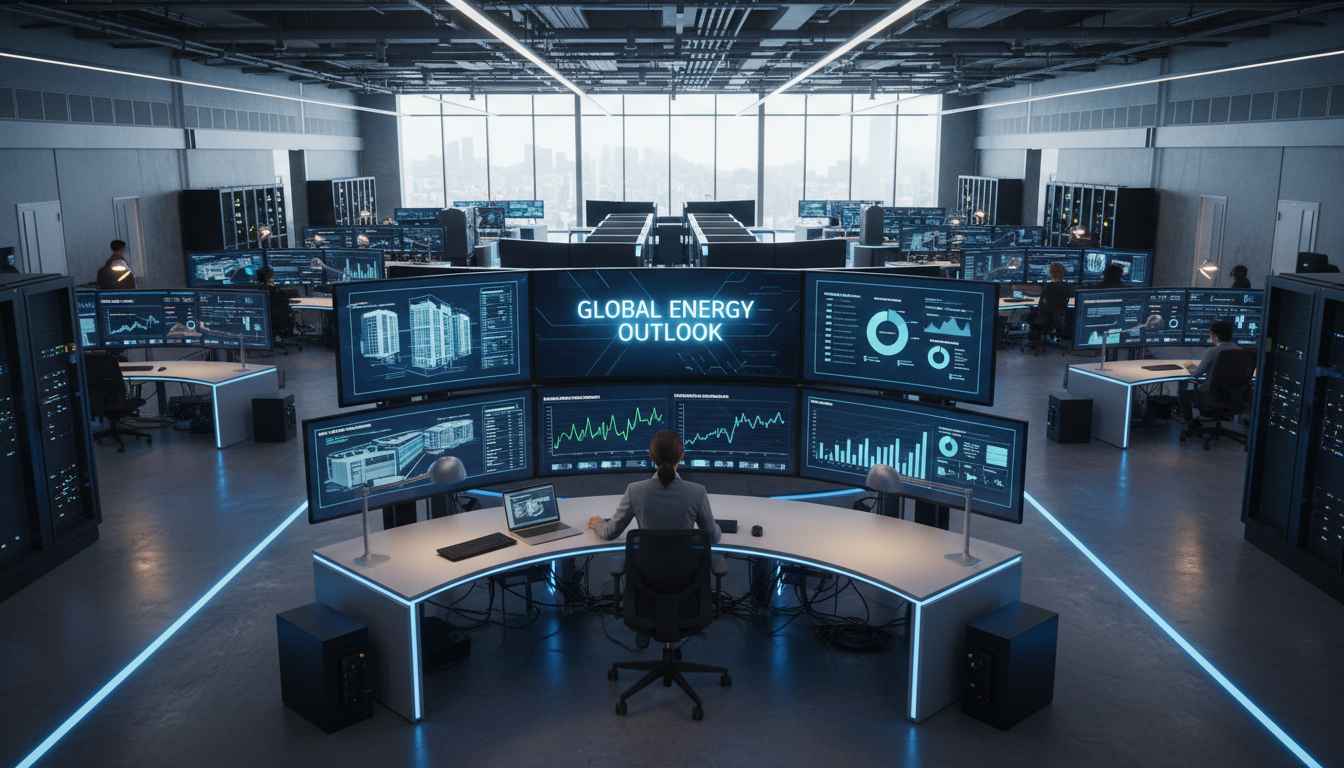
Modern EMS come equipped with a range of features that make them indispensable tools for energy management. Some of the key features include:
- Real-Time Monitoring: Provides instant access to energy data, enabling prompt decision-making.
- Predictive Analytics: Utilizes historical data to forecast energy needs and optimize usage.
- Automated Controls: Adjusts energy settings automatically to maintain efficiency.
These features not only help in reducing energy costs but also play a pivotal role in minimizing carbon footprints.
The Role of IoT in EMS
The integration of IoT devices within EMS is revolutionizing the landscape of energy management. IoT devices collect vast amounts of data from various sources, providing a comprehensive view of energy consumption patterns. This granular data allows EMS to make more informed decisions.

Furthermore, IoT enables remote monitoring and management, allowing users to control energy use from anywhere in the world. This level of connectivity is paving the way for smarter and more adaptable energy systems.
EMS and Renewable Energy
Renewable energy sources such as solar and wind are becoming increasingly popular. EMS play a critical role in integrating these renewable sources into existing energy systems. By balancing energy loads and predicting availability, EMS ensure a steady and reliable energy supply.
This integration not only supports sustainability goals but also helps in reducing dependency on non-renewable energy sources, making energy consumption more eco-friendly.
Challenges and Opportunities
Despite the advantages, there are challenges in the widespread adoption of EMS, including high initial costs and the need for skilled personnel to manage these systems. Overcoming these hurdles requires ongoing innovation and collaboration between technology providers and users.
However, the opportunities are vast. As technology advances, costs are expected to decrease, and EMS will become more accessible to a wider audience, further boosting energy efficiency and sustainability efforts globally.
Conclusion: The Path Forward
As we look to the future, the evolution of Energy Management Systems holds great promise. With continued advancements in technology, EMS will become even more integral to achieving energy efficiency and sustainability goals.
By embracing these systems, businesses and households alike can contribute to a more sustainable future, ensuring that energy resources are used wisely and responsibly.