The Future of Energy: Trends in Data-Driven Energy Solutions
Introduction to Data-Driven Energy Solutions
The energy sector is undergoing a revolutionary transformation, driven by the integration of data analytics and smart technologies. As we move towards a more sustainable future, data-driven energy solutions are becoming pivotal in optimizing energy consumption and production. This shift is not only enhancing efficiency but also promoting the use of renewable sources.

Smart Grids: The Backbone of Modern Energy Systems
One of the most significant advancements in data-driven energy solutions is the development of smart grids. These intelligent systems utilize real-time data to manage electricity demand, reduce energy waste, and integrate renewable energy sources more effectively. Smart grids enable a two-way communication between energy providers and consumers, ensuring a more balanced and efficient power distribution.
Benefits of Smart Grids
Smart grids offer numerous benefits, including:
- Improved reliability: By predicting and responding to power outages quickly.
- Enhanced energy efficiency: Through real-time monitoring and management.
- Integration of renewable energy: Facilitating the seamless incorporation of solar, wind, and other renewable sources.
IoT and Energy Management
The Internet of Things (IoT) is playing a crucial role in shaping the future of energy. By connecting devices and systems, IoT technology is enabling more precise energy management. This connectivity allows for real-time data collection and analysis, providing insights that drive more efficient energy usage.
Applications of IoT in Energy
IoT applications in energy include:
- Smart meters that provide detailed consumption data.
- Home automation systems that optimize appliance usage.
- Industrial IoT solutions that enhance operational efficiency.

Big Data Analytics in Renewable Energy
Big data analytics is another cornerstone of data-driven energy solutions. By analyzing large volumes of data, energy companies can forecast demand, optimize resource allocation, and improve decision-making processes. This is particularly beneficial in the renewable energy sector, where variability in production can pose challenges.
Harnessing Big Data for Renewables
Through big data analytics, energy providers can:
- Predict energy supply: By analyzing weather patterns and historical data.
- Optimize energy storage: Ensuring that surplus energy is stored efficiently.
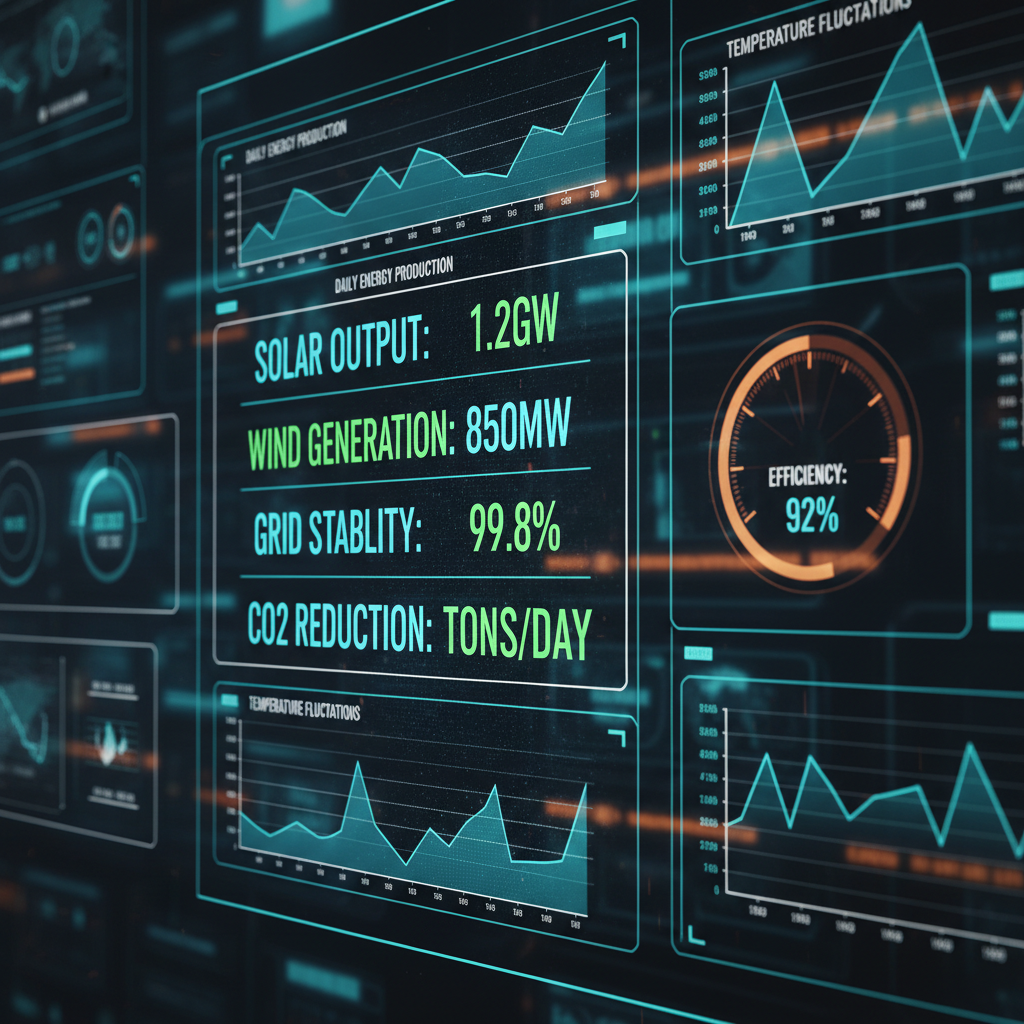
- Enhance grid stability: By balancing supply and demand dynamically.
Artificial Intelligence and Machine Learning
Artificial intelligence (AI) and machine learning (ML) are at the forefront of innovations in energy solutions. These technologies are enabling predictive maintenance, improving energy forecasting, and optimizing energy distribution networks. By learning from data patterns, AI and ML can significantly enhance operational efficiency.
As these technologies continue to evolve, they hold the promise of transforming energy systems into more resilient and adaptive networks. The integration of AI and ML in energy management is paving the way for a future where energy systems are not just reactive, but proactive.
Conclusion: Embracing the Future
The future of energy lies in the seamless integration of data-driven solutions. As we embrace these technologies, we are not only improving efficiency and sustainability but also paving the way for a greener planet. The combination of smart grids, IoT, big data, and AI is creating a smart energy ecosystem that will define the energy landscape for years to come.