The Future of Energy: Integrating Data Analytics with Energy Systems
The Role of Data Analytics in Modern Energy Systems
The integration of data analytics with energy systems is revolutionizing the way we consume and manage energy. As the world shifts towards more sustainable energy sources, the ability to analyze and interpret data becomes crucial. By harnessing big data, energy providers can optimize operations, reduce waste, and improve efficiency.
Data analytics allows for a more granular understanding of energy consumption patterns. This insight helps in predicting demand, leading to more efficient energy distribution and reduced costs for both providers and consumers. The ability to forecast energy needs accurately is a game-changer in the quest for sustainability.
Enhancing Renewable Energy Integration
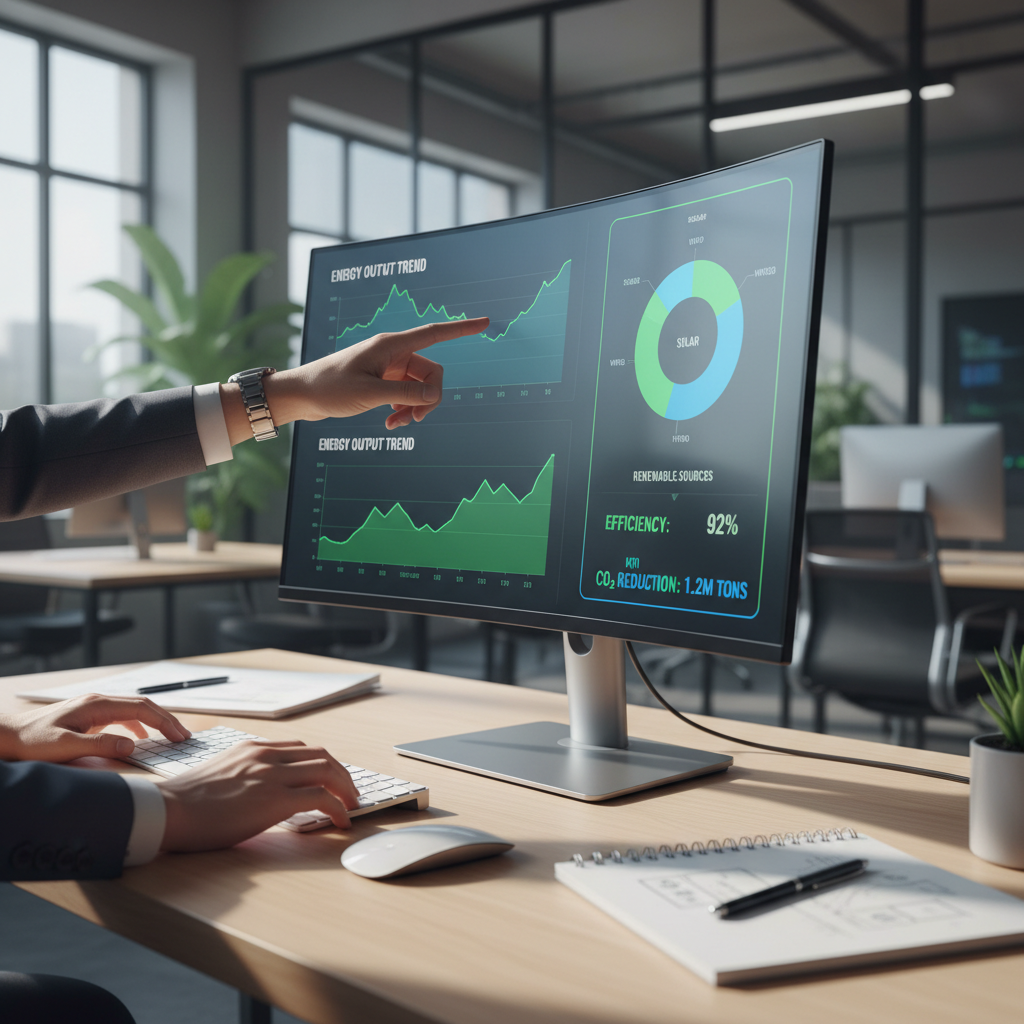
Renewable energy sources such as solar and wind are inherently variable, making their integration into the energy grid challenging. Data analytics plays a vital role in overcoming this challenge. By analyzing weather patterns and historical data, energy systems can better anticipate fluctuations in energy production.
This predictive capability ensures that energy supply remains stable even as the reliance on renewables grows. It supports the development of smart grids that can dynamically adjust to changes in both supply and demand, ensuring a reliable energy supply.

Smart Grids and IoT
The Internet of Things (IoT) is another critical component in the future of energy systems. Smart devices and sensors collect data in real-time, providing invaluable insights into energy usage. This data is then analyzed to optimize energy consumption and enhance efficiency.
Smart grids use this information to manage energy distribution proactively. They can identify issues before they become significant problems, reducing downtime and improving reliability. This proactive approach is essential for maintaining a stable and efficient energy system.
The Impact on Consumers
Consumers also benefit significantly from data-driven energy systems. With access to detailed energy usage data, individuals can make informed decisions about their consumption habits. This empowerment leads to more sustainable practices and potential cost savings.

Challenges and Considerations
Despite the clear benefits, integrating data analytics with energy systems presents challenges. Data privacy and security are significant concerns that need addressing. As more data is collected, ensuring its protection becomes paramount.
Moreover, the complexity of data management and analysis requires specialized skills and technologies. Energy companies must invest in advanced analytics tools and skilled professionals to maximize the benefits of data integration.
Future Prospects
The future of energy is undoubtedly data-driven. As technology continues to evolve, the potential for even more sophisticated analytics will grow. This evolution promises a more sustainable, efficient, and reliable energy system that meets the demands of a changing world.
By embracing these advancements, the energy sector can play a pivotal role in addressing global energy challenges. The integration of data analytics with energy systems is not just a trend; it is a fundamental shift towards a smarter energy future.