The Future of Data and Energy: Innovative Solutions for Sustainable Growth
Introduction to Data and Energy
As the world continues to digitize, the intersection of data and energy has become a crucial frontier for innovation. Both are vital resources needed for sustainable growth in modern society. With the rapid advancement of technology, the future holds exciting possibilities for how we can efficiently harness and utilize these resources.
Data's Role in Energy Efficiency
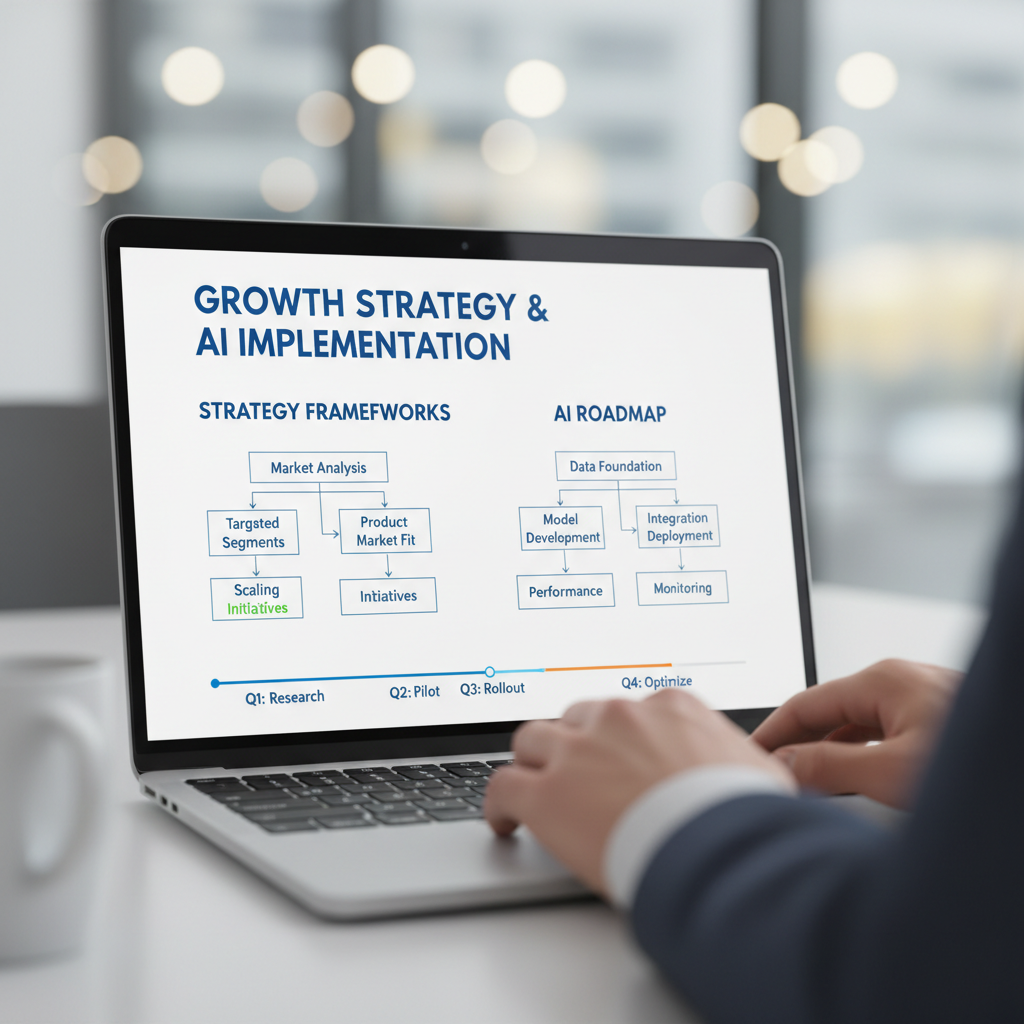
Data plays a critical role in enhancing energy efficiency. Through the use of smart grids and IoT devices, energy consumption can be monitored and managed more effectively. By analyzing consumption patterns, companies can predict energy needs and reduce waste. This not only conserves energy but also cuts costs.
Furthermore, big data analytics allows for real-time monitoring of energy systems, enabling quick responses to any inefficiencies or malfunctions. This proactive approach ensures a more resilient and reliable energy infrastructure.
Renewable Energy Innovations
The transition to renewable energy is a key factor in sustainable growth. Innovations in solar, wind, and hydroelectric power are paving the way for cleaner energy solutions. Advanced data analytics are used to optimize the performance of these renewable energy systems, ensuring maximum output and efficiency.

For instance, predictive maintenance powered by AI can foresee equipment failures before they occur, minimizing downtime and maximizing energy production. Such advancements highlight the synergy between data and renewable energy technologies.
Decentralized Energy Systems
Decentralized energy systems, such as microgrids, are gaining traction as they empower communities to generate and manage their own energy. These systems rely heavily on data-driven technologies to operate efficiently. By localizing energy production, transmission losses are minimized, and energy security is enhanced.
Blockchain technology is also being explored to manage decentralized energy transactions, ensuring transparency and security. This technology could revolutionize how energy is traded and consumed globally.
Challenges and Opportunities
Despite the promising innovations, there are challenges to overcome. Data privacy and security remain significant concerns as more devices become interconnected. Ensuring the protection of sensitive information is paramount to maintaining trust in these technologies.
However, these challenges also present opportunities for growth. Companies that prioritize cybersecurity and data integrity will likely lead the way in the energy sector's digital transformation. By investing in robust security measures, we can build a more sustainable and resilient energy future.
Conclusion
The future of data and energy is intertwined with the promise of sustainable growth. By leveraging innovative solutions, we can address the world's energy challenges while minimizing environmental impact. As we move forward, collaboration across industries and sectors will be essential to realizing this vision.
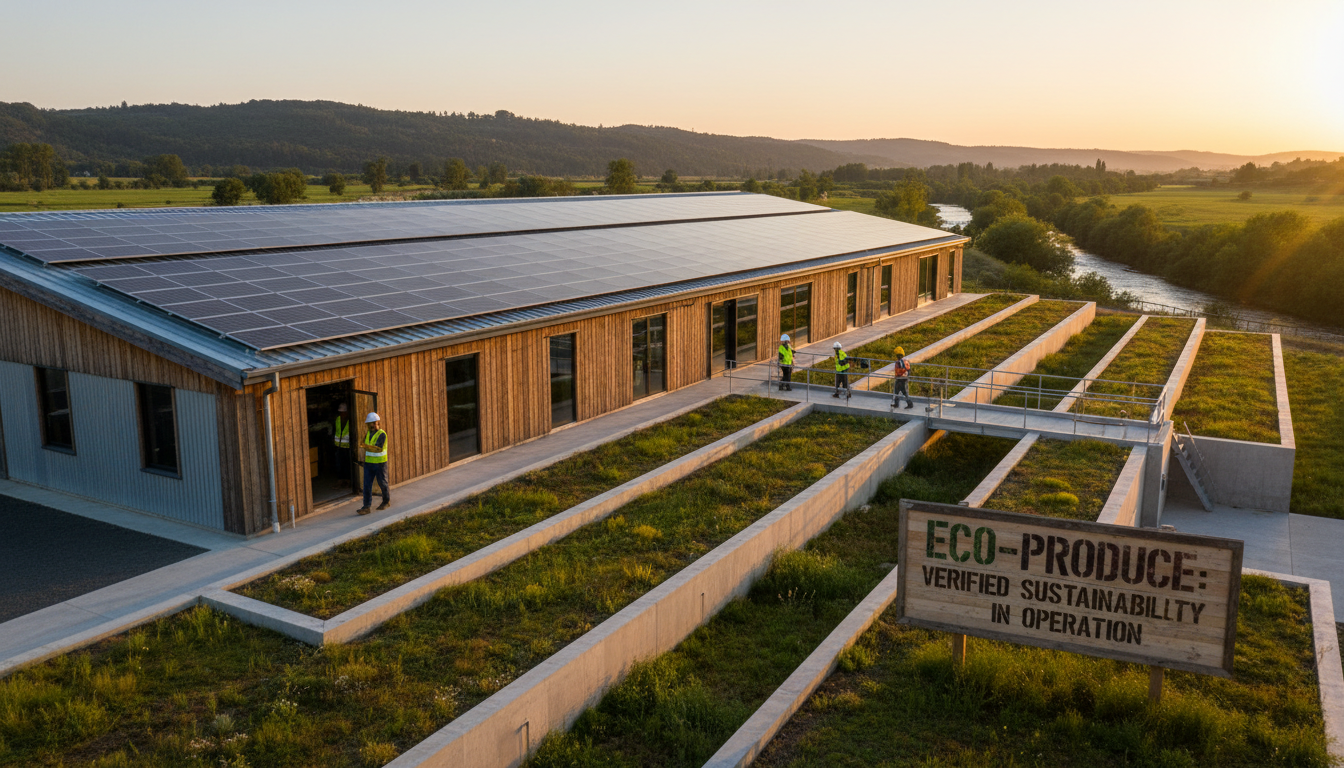
As individuals, businesses, and governments work together, the potential for a cleaner, more efficient energy landscape becomes increasingly attainable. The journey towards sustainable growth is just beginning, and the possibilities are endless.