
The Future of Battery Storage Solutions: Innovations and Applications
Introduction to Battery Storage Solutions
As the world shifts towards renewable energy, the demand for efficient battery storage solutions has never been higher. With advancements in technology, batteries are not just about powering devices but are integral in energy management. From electric vehicles to grid storage, batteries are revolutionizing how we consume and store energy.
Innovations in Battery Technology
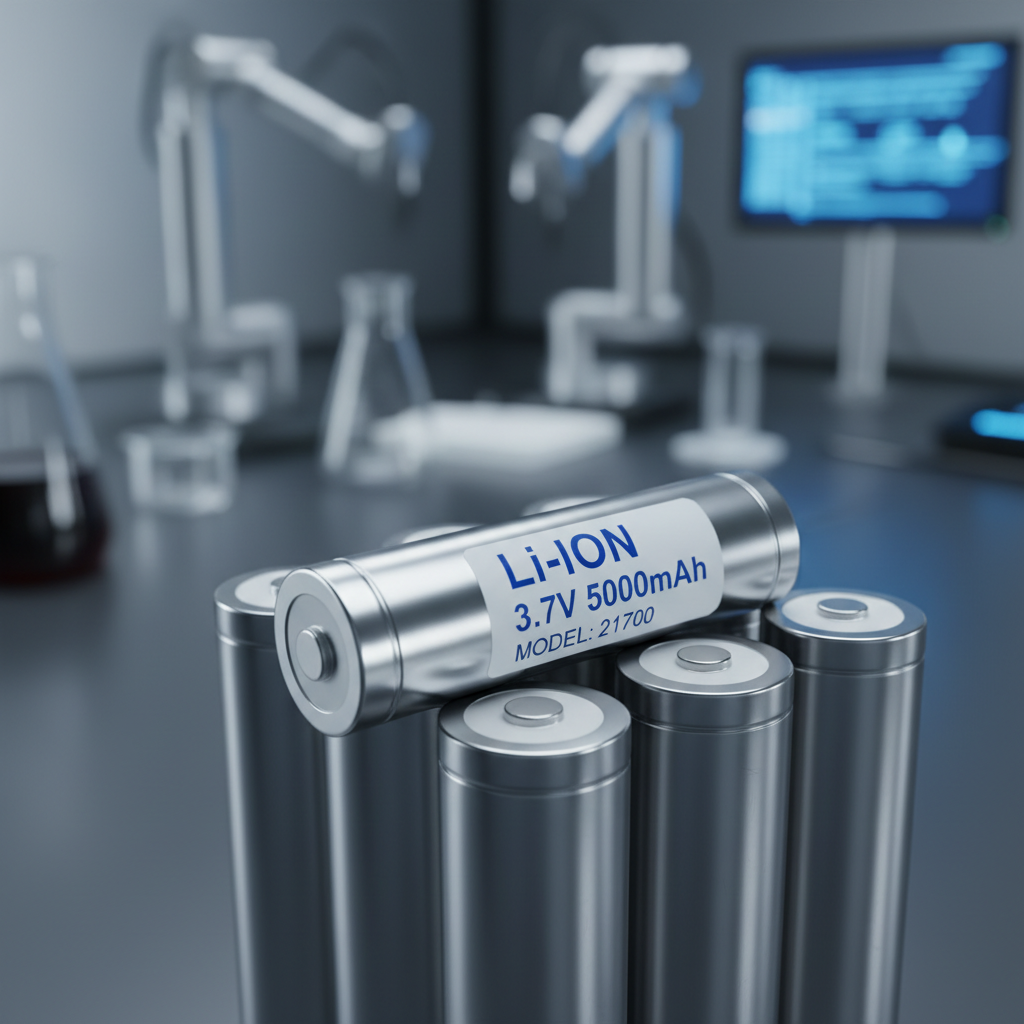
Recent innovations in battery technology have focused on enhancing energy density, reducing costs, and improving safety. Lithium-ion batteries have been the cornerstone of these advancements, but new materials like solid-state electrolytes are emerging as game changers. These materials promise increased longevity and safety, addressing some of the critical limitations of current battery systems.
Another exciting development is the use of nanotechnology to create more efficient battery electrodes. This can lead to faster charging times and greater storage capacity, making batteries more viable for large-scale applications.
Applications in Renewable Energy
Battery storage solutions play a crucial role in renewable energy systems. They enable the storage of energy generated from solar panels and wind turbines, ensuring a steady power supply even when the sun isn't shining or the wind isn't blowing. This capability is essential for achieving a stable and reliable energy grid.

Moreover, advancements in battery technology are making it feasible for homes and businesses to adopt off-grid solutions, reducing dependency on traditional energy sources and lowering carbon footprints.
Impact on Electric Vehicles
The automotive industry is witnessing a paradigm shift with the growing popularity of electric vehicles (EVs). Battery storage solutions are at the heart of this transformation, driving improvements in range, efficiency, and affordability. Innovations in battery design are enabling longer travel distances on a single charge, addressing one of the primary concerns of potential EV buyers.
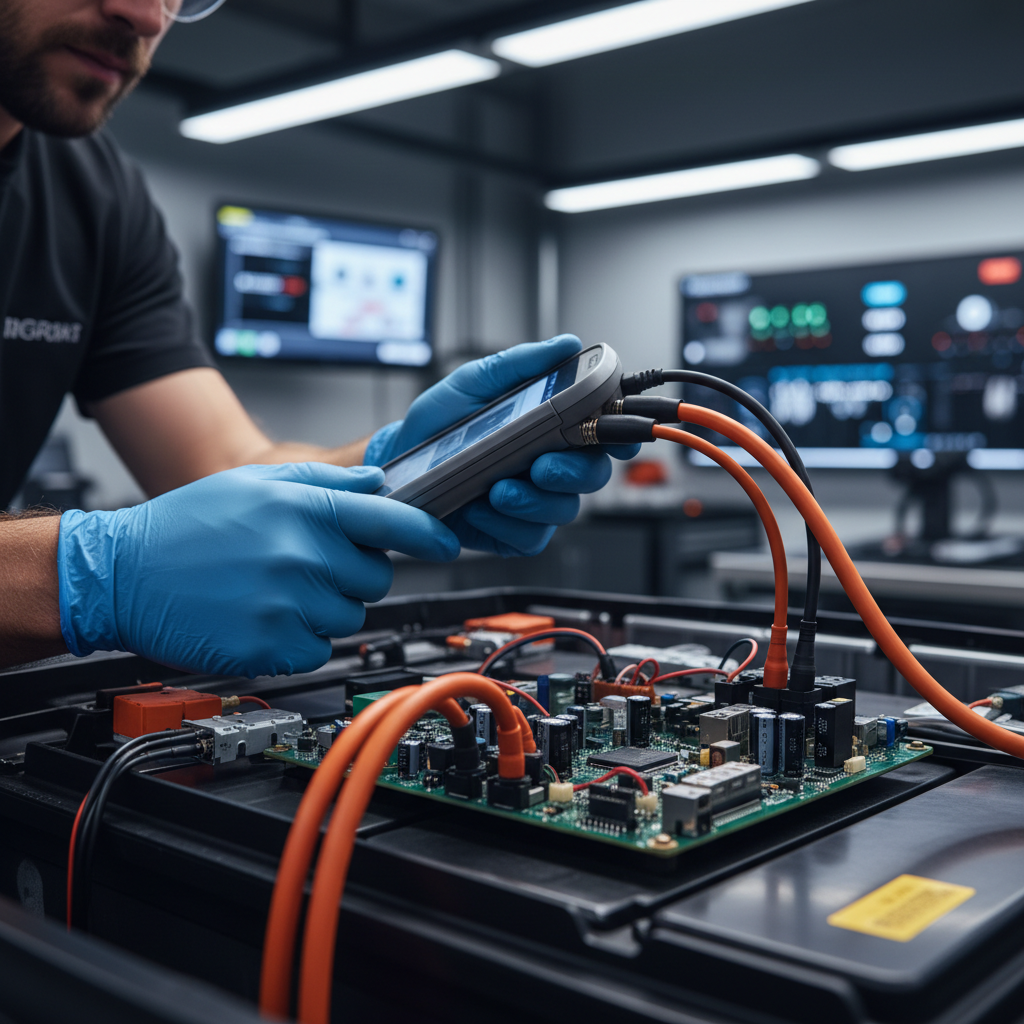
Furthermore, the development of fast-charging technologies is making electric vehicles more convenient for everyday use, contributing to their widespread adoption.
Challenges and Future Prospects
Despite the remarkable progress, challenges remain in the realm of battery storage solutions. Issues such as resource scarcity, recycling, and environmental impact need to be addressed to ensure sustainable growth. Researchers are exploring alternative materials and recycling methods to mitigate these concerns.
Looking ahead, the future of battery storage solutions appears promising. With continued research and investment, we can expect even more efficient, cost-effective, and environmentally friendly solutions that will play a pivotal role in shaping a sustainable energy future.