Success Stories: Transforming Energy Efficiency with Data Analytics
Introduction to Energy Efficiency and Data Analytics
In today's increasingly digital world, data analytics is revolutionizing industries by providing new insights and driving efficiency. One of the most affected sectors is energy, where analytics is transforming how we understand and optimize energy usage. By leveraging data, businesses can make informed decisions that lead to increased energy efficiency, reduced costs, and a smaller carbon footprint.
Data analytics allows for the collection and analysis of vast amounts of information related to energy consumption. This data-driven approach enables companies to identify patterns, forecast needs, and implement strategic changes that significantly enhance energy efficiency.

Case Study: Successful Implementation in the Manufacturing Sector
A leading manufacturing company recently embarked on a journey to improve its energy efficiency. By utilizing data analytics, they were able to monitor energy usage in real-time across multiple facilities. This information helped them identify areas of excessive consumption and implement targeted improvements.
The company focused on upgrading equipment, optimizing production schedules, and reducing idle times. Through these changes, they achieved a remarkable 20% reduction in energy consumption within the first year. This success story highlights how data-driven insights can lead to tangible improvements in energy efficiency.

Real-Time Monitoring and Predictive Maintenance
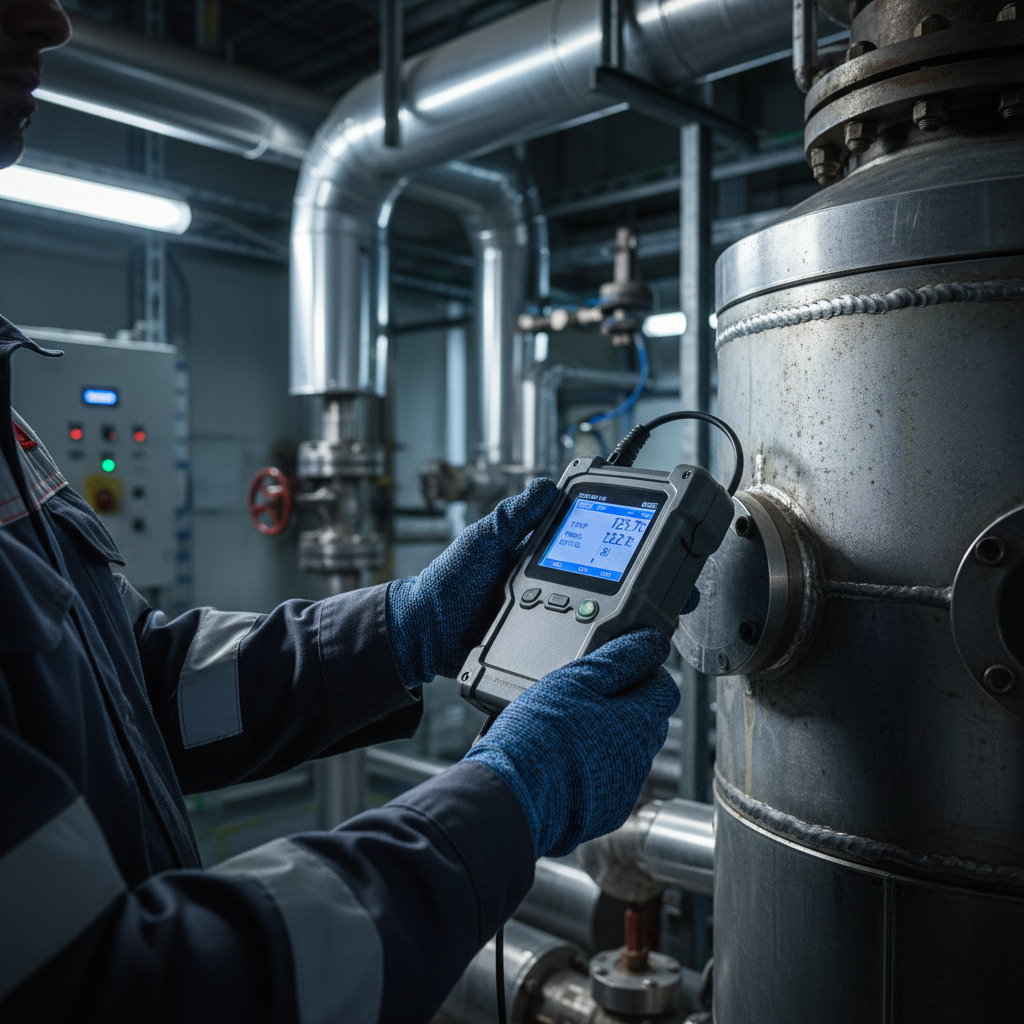
One of the key benefits of data analytics in energy efficiency is real-time monitoring. By continuously tracking energy consumption, businesses can quickly identify anomalies and address them before they lead to significant waste. This proactive approach prevents energy losses and optimizes resource usage.
Predictive maintenance is another area where data analytics shines. By analyzing equipment performance data, companies can predict when maintenance is needed, reducing downtime and increasing efficiency. This not only conserves energy but also extends the lifespan of equipment.
Energy Efficiency in Commercial Buildings
Commercial buildings are significant energy consumers, and data analytics plays a crucial role in optimizing their efficiency. By analyzing data from HVAC systems, lighting, and occupancy sensors, building managers can implement strategies that reduce energy usage without compromising comfort.
For example, adjusting HVAC settings based on occupancy patterns or using smart lighting systems that adapt to natural light conditions can lead to substantial energy savings. These data-driven strategies are not only cost-effective but also contribute to a greener environment.

The Future of Energy Efficiency with Data Analytics
The potential of data analytics in transforming energy efficiency is immense. As technology continues to advance, the ability to collect and analyze data will only improve, offering new opportunities for innovation. Businesses that embrace these technologies will be at the forefront of energy efficiency, leading to cost savings and environmental benefits.
Moreover, as awareness of climate change and sustainability grows, the demand for energy-efficient solutions will increase. Data analytics will be a key tool in meeting these demands, driving a more sustainable future for industries worldwide.
Conclusion
Success stories like those in the manufacturing sector and commercial buildings demonstrate the transformative power of data analytics in energy efficiency. By leveraging data, businesses can achieve substantial improvements in efficiency, reduce costs, and contribute to a more sustainable world. As technology evolves, the potential for further advancements in this field is limitless, making data analytics an essential component of any energy strategy.