Integrating Data Technology with Renewable Energy: Case Studies from Utah
Introduction to the Integration of Data Technology and Renewable Energy
As the world moves towards sustainable energy solutions, the integration of data technology with renewable energy has become a focal point for innovation. In Utah, this trend is particularly evident, with several projects demonstrating how data can optimize energy efficiency and drive the transition to cleaner power sources.
The combination of big data and renewable energy allows for better forecasting, improved efficiency, and optimal resource management. This synergy is not only transforming the energy landscape but also providing economic benefits to local communities.
Smart Grids and Renewable Integration
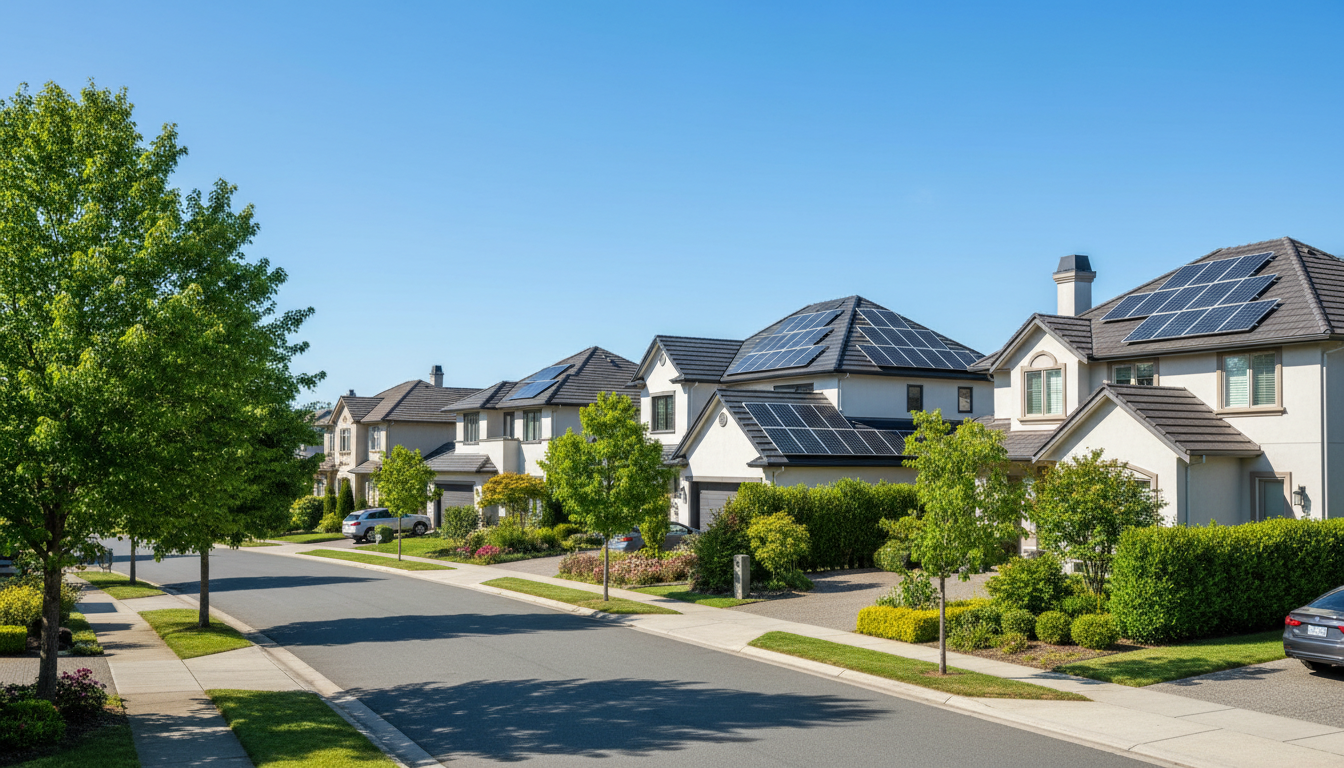
One of the key areas where data technology is making a significant impact in Utah is through the development of smart grids. These grids use data to monitor and manage the flow of electricity more efficiently, incorporating renewable sources like solar and wind power.
By utilizing real-time data analytics, smart grids can predict energy demand and adjust the supply accordingly. This not only reduces energy waste but also enhances grid stability, ensuring that power outages are minimized.

Case Study: Solar Energy and Data Analytics
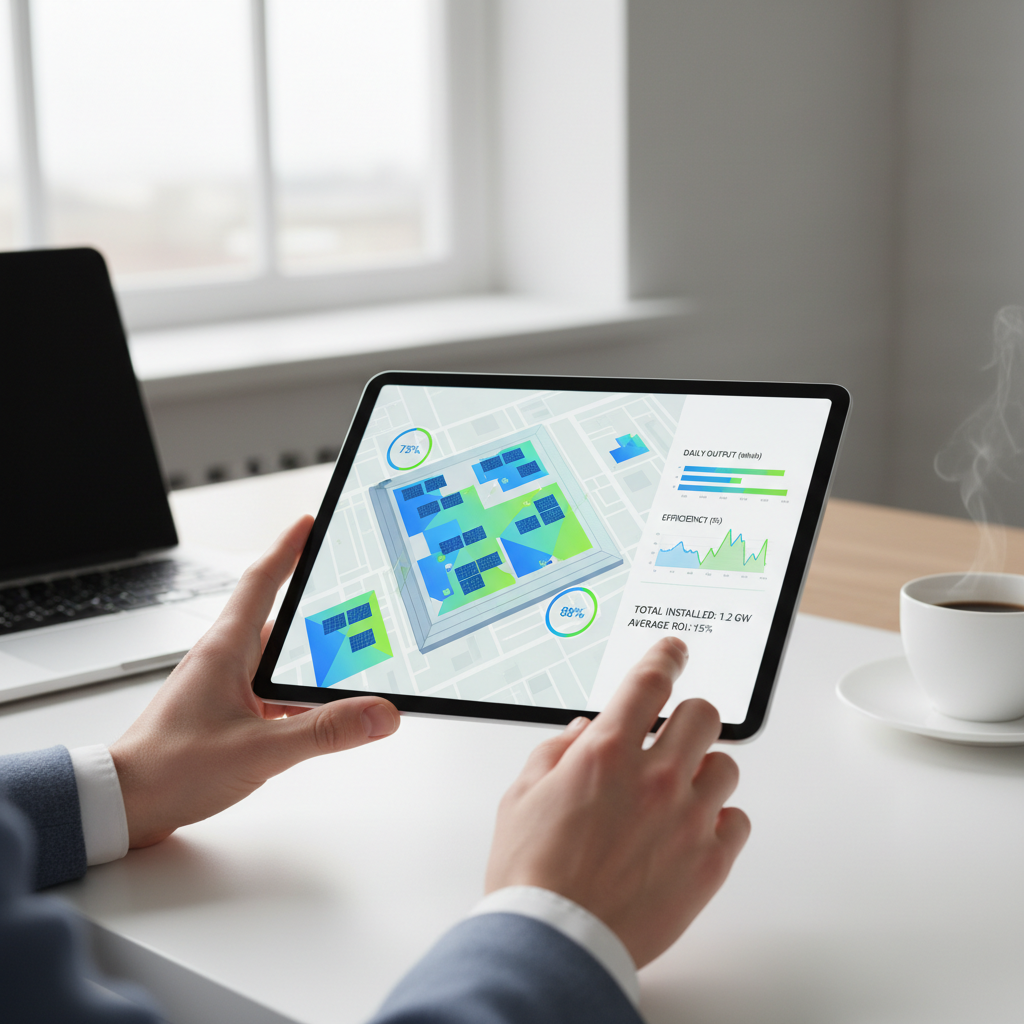
In Utah, solar energy projects are leveraging data analytics to maximize output. Through the use of sensors and meters, solar farms can collect detailed information about sunlight exposure, weather conditions, and panel efficiency.
This data is then analyzed to predict energy production patterns and optimize panel positioning. As a result, solar farms have seen increased efficiency and reduced operational costs, making solar energy more competitive with traditional energy sources.
Wind Energy and Predictive Modeling
Utah's wind energy sector is also benefiting from the integration of data technology. By employing predictive modeling, wind farms can forecast wind patterns and adjust turbine operations to capture the maximum amount of energy.
This approach not only enhances energy output but also extends the lifespan of the equipment by reducing wear and tear. The use of advanced algorithms helps in making informed decisions that align with environmental conditions and energy demands.
Case Study: Community Impact and Economic Benefits
The integration of data technology with renewable energy in Utah is not just about technological advancements; it also has a profound impact on local communities. By creating jobs and investing in local infrastructure, these projects contribute to economic growth.
Community-based renewable energy projects, supported by data-driven insights, have empowered local residents to take control of their energy needs. This has led to lower energy costs and increased energy independence for many households.
Future Prospects and Challenges
While the integration of data technology with renewable energy holds great promise, it also presents challenges. Data privacy, cybersecurity, and the need for skilled professionals are some of the hurdles that need to be addressed.
Continued investment in research and development, along with collaboration between government, industry, and academia, will be crucial in overcoming these challenges and driving further innovation in this field.
In conclusion, Utah's experience with integrating data technology and renewable energy serves as a valuable model for other regions. By harnessing the power of data, the state is paving the way for a more sustainable and energy-efficient future.