Integrating Data and Energy: The Future of Sustainable Systems
The Role of Data in Energy Management
In today's rapidly evolving world, integrating data and energy is crucial for creating sustainable systems. The ability to harness data effectively allows us to optimize energy usage, reduce waste, and lower costs. By analyzing consumption patterns, we can develop strategies that not only conserve energy but also promote environmental sustainability.
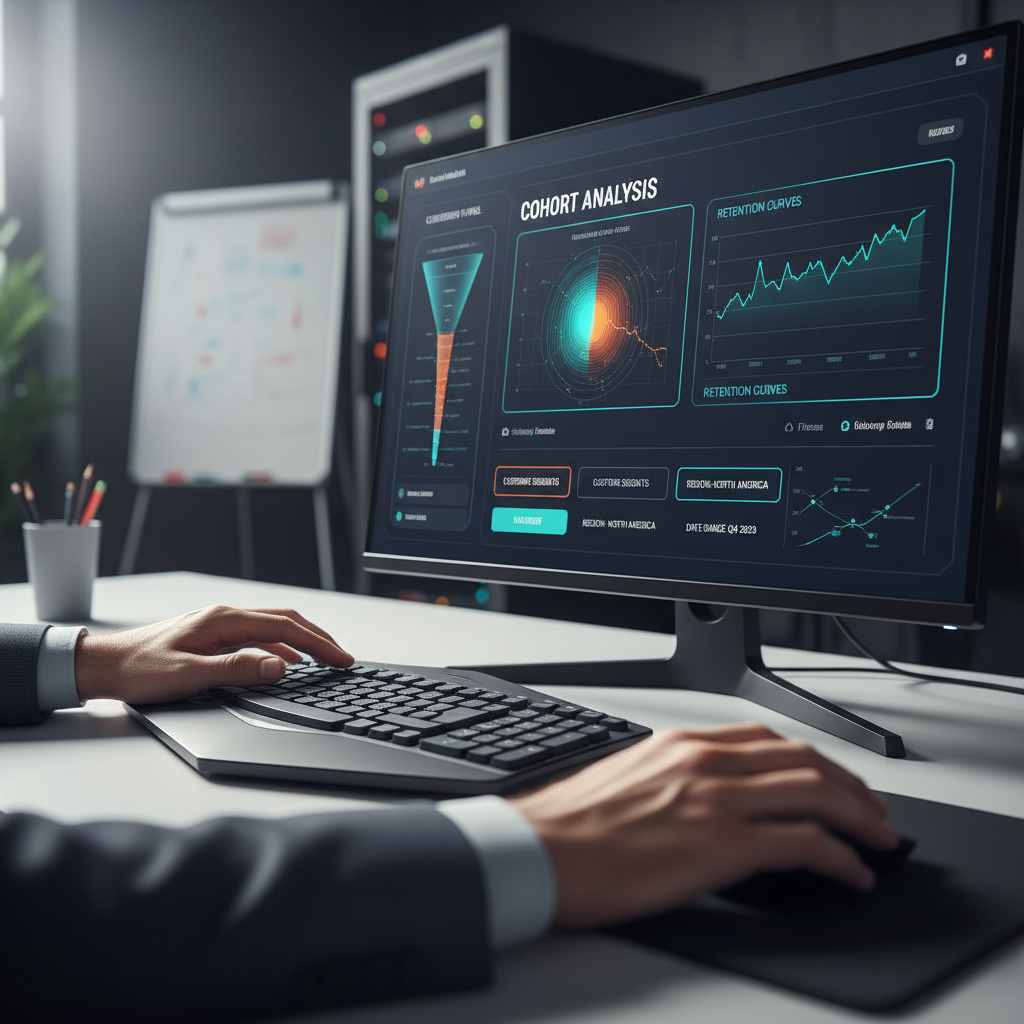
Advanced data analytics offers insights into energy consumption at various levels, from individual appliances to entire cities. These insights enable stakeholders to make informed decisions about energy efficiency and renewable energy adoption. As a result, data-driven approaches are becoming integral to sustainable energy management.
Smart Grids: Revolutionizing Energy Distribution
Smart grids represent the future of energy distribution. By integrating data from various sources, smart grids offer real-time monitoring and control of energy flow. This enhances efficiency, reduces outages, and allows for the integration of renewable energy sources such as solar and wind.
One of the key benefits of smart grids is their ability to balance energy supply and demand. By predicting consumption patterns, smart grids can adjust the distribution of electricity, ensuring that energy is used efficiently and sustainably.
Renewable Energy and Data Integration
Renewable energy sources are essential for achieving sustainability goals. However, their intermittent nature poses challenges for consistent energy supply. Integrating data can help overcome these challenges by forecasting energy production and consumption, allowing for better planning and utilization.
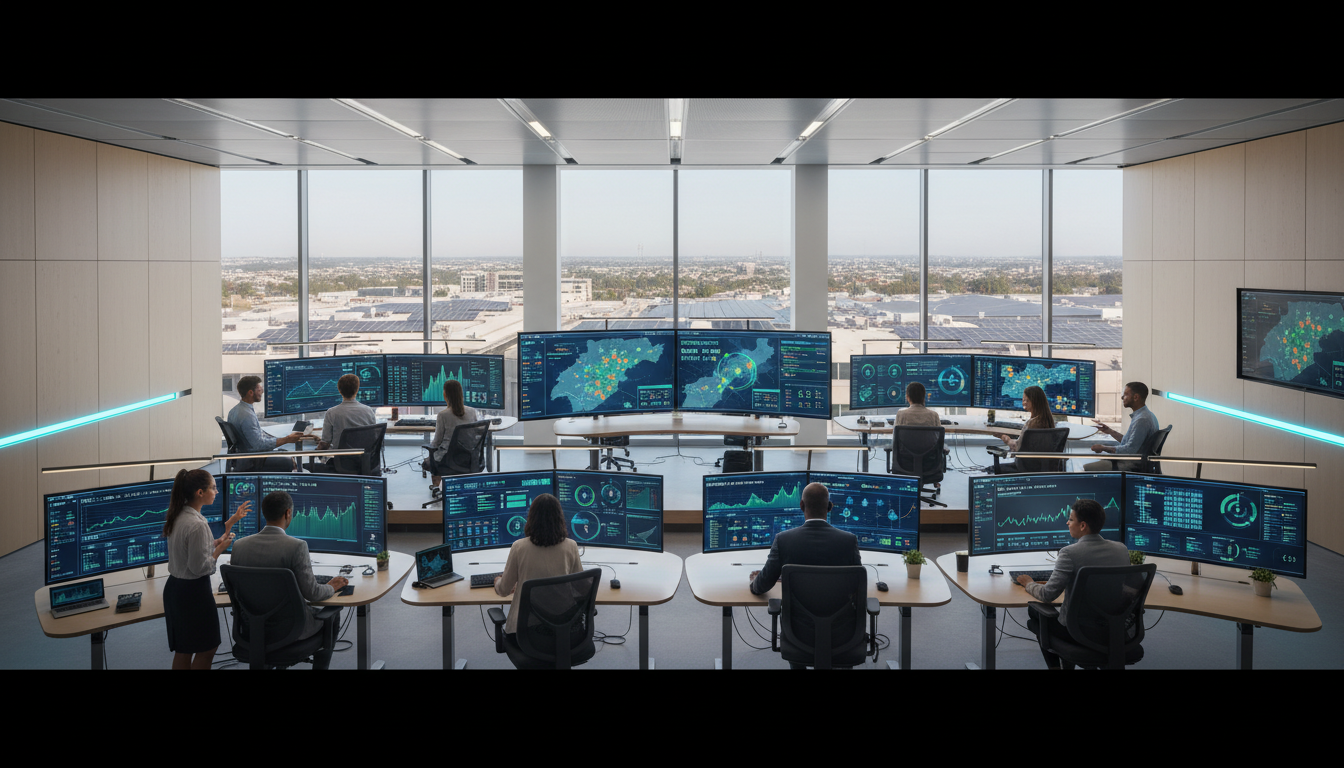
Data integration also facilitates the management of energy storage systems. By predicting energy surpluses and shortages, data-driven systems can optimize the use of batteries and other storage solutions, ensuring a steady supply of renewable energy.
IoT and Energy Efficiency
The Internet of Things (IoT) plays a significant role in enhancing energy efficiency. IoT devices can collect vast amounts of data on energy usage, which can then be analyzed to identify inefficiencies and areas for improvement. This leads to significant energy savings and reduced carbon footprints.
For example, smart thermostats and lighting systems can adjust settings automatically based on occupancy and usage patterns, minimizing energy wastage. This level of automation and control is made possible through the seamless integration of data and energy systems.

The Future of Sustainable Systems
The integration of data and energy is paving the way for more sustainable systems. As technology advances, we can expect even more sophisticated solutions that will further enhance energy efficiency and sustainability. From smart cities to intelligent transportation systems, the possibilities are endless.
Investing in these technologies not only benefits the environment but also offers economic advantages. Reduced energy costs, improved operational efficiency, and enhanced resilience are just a few of the benefits that organizations and communities can enjoy by embracing data-driven energy solutions.
Conclusion
Integrating data and energy is a vital step toward achieving a sustainable future. By leveraging advanced technologies and data analytics, we can create systems that are not only efficient but also environmentally friendly. As we continue to innovate, the synergy between data and energy will be key to addressing global sustainability challenges.