How to Prepare Your Business for Energy Efficiency Improvements
Understanding the Importance of Energy Efficiency
As businesses strive to become more sustainable, improving energy efficiency has become a top priority. Not only does it reduce costs, but it also minimizes environmental impact. By preparing your business for energy efficiency improvements, you can enhance your brand's reputation and contribute positively to the planet.
Before embarking on this journey, it’s crucial to understand the potential benefits. An energy-efficient business can save significantly on utility bills, reduce its carbon footprint, and create a more comfortable environment for employees and customers alike.
Conducting an Energy Audit
The first step towards energy efficiency is conducting a comprehensive energy audit. This process involves assessing your current energy usage and identifying areas where improvements can be made. An audit will provide insights into which parts of your business consume the most energy and where changes are most needed.
Consider hiring a professional energy auditor who can offer detailed analysis and recommendations. This investment can uncover surprising inefficiencies and pave the way for significant cost savings.
Setting Clear Objectives
Once you have the audit results, it's time to set clear objectives. Define what you want to achieve with your energy efficiency improvements. Are you aiming to reduce energy consumption by a specific percentage, or are you focusing on certain areas like lighting or heating?
Having clear goals will guide your decision-making process and help you measure the success of your efforts over time.

Implementing Energy Efficiency Measures
With objectives in place, you can begin implementing energy efficiency measures. Start with the most impactful changes identified in your audit. Common improvements include upgrading lighting to LED systems, enhancing insulation, and optimizing HVAC systems.
Consider implementing smart technology solutions, such as automated lighting and temperature controls, which can further enhance efficiency by adapting to real-time needs.
Employee Engagement and Training
Successful energy efficiency improvements require the involvement of your entire team. Educate employees about the changes being made and why they are important. Encourage them to adopt energy-saving practices, such as turning off lights and equipment when not in use.
Providing training sessions can foster a culture of sustainability within your business, ensuring everyone is aligned with the new objectives.

Monitoring and Continuous Improvement
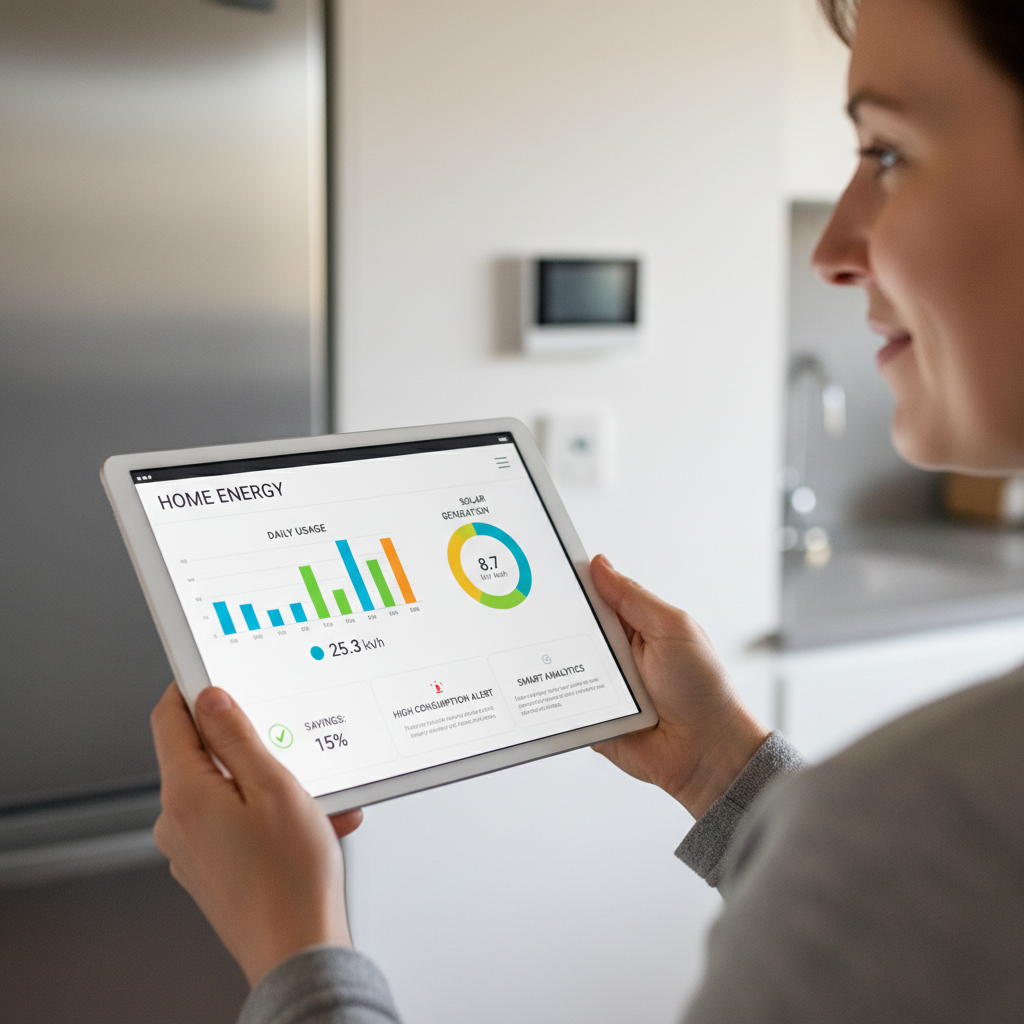
Energy efficiency is not a one-time project but an ongoing commitment. Regularly monitor your energy usage to ensure that the improvements are working as intended. Utilize energy management software if possible, to track performance and identify further opportunities for savings.
Continuously seek feedback from your team and be open to making adjustments. As new technologies emerge, consider integrating them into your strategy for even greater efficiency.
Celebrating Success and Sharing Results
Once you start seeing results, celebrate your successes with your team. Share these achievements with your customers and stakeholders to enhance your business's reputation. Highlighting your commitment to sustainability can differentiate your brand in a competitive market.
By preparing your business for energy efficiency improvements, you're investing in a brighter, more sustainable future.