How to Optimize Your Data and Energy Systems for Maximum Efficiency
In today's fast-paced digital world, optimizing your data and energy systems is crucial for maximizing efficiency and reducing costs. By implementing smart strategies, businesses can enhance their operations while minimizing their carbon footprint. Here's how you can optimize these systems for maximum efficiency.

Understanding Your Current Systems
Before making any changes, it's essential to understand the existing setup of your data and energy systems. Conduct a thorough audit to assess current performance levels and identify areas that require improvement. This will provide a clear baseline from which you can measure progress.
Focus on key performance indicators (KPIs) such as energy consumption, data processing speed, and system uptime. By analyzing these metrics, you can gain insights into potential inefficiencies and areas for enhancement.
Implementing Energy-Efficient Technologies
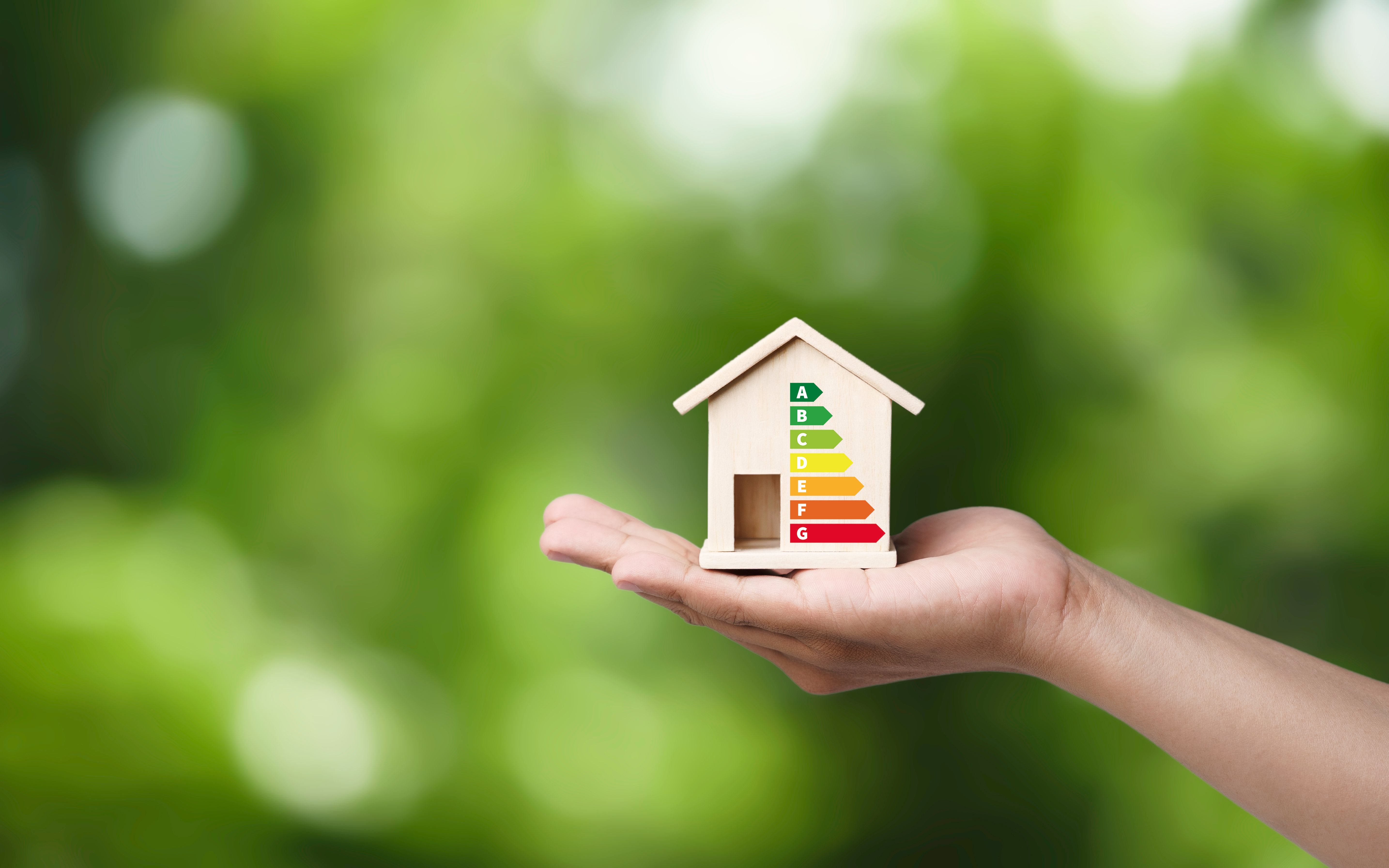
One of the most effective ways to optimize energy systems is by integrating energy-efficient technologies. Consider upgrading to LED lighting, smart thermostats, and energy-efficient HVAC systems. These technologies not only reduce energy consumption but also lower utility bills.
Additionally, explore renewable energy sources such as solar panels or wind turbines. These sustainable options can significantly decrease reliance on traditional energy sources, further enhancing efficiency and reducing environmental impact.

Utilizing Smart Data Management Solutions
Optimizing data systems involves more than just advanced hardware. Implementing smart data management solutions can dramatically improve performance. Consider adopting cloud-based services for scalable storage and seamless data access.
Data deduplication and compression techniques can also be employed to reduce storage needs and improve data processing speed. These strategies not only enhance efficiency but also ensure that your data is secure and easily accessible.
Regular Maintenance and Monitoring
Regular maintenance and monitoring are critical for ensuring that both data and energy systems operate at peak efficiency. Schedule routine checks and updates to prevent potential issues and address them proactively.
Utilize monitoring tools to track performance in real-time. This allows for immediate adjustments and ensures that systems remain optimized for efficiency and reliability.

Training and Engaging Your Team
Your team plays a vital role in optimizing these systems. Provide training on best practices for energy conservation and data management. Encourage staff to be proactive in identifying and reporting inefficiencies.
Engagement can be further enhanced by setting clear goals and offering incentives for achieving efficiency targets. A well-informed and motivated team can significantly contribute to the overall success of optimization efforts.
By following these strategies, you can optimize your data and energy systems effectively. This not only maximizes efficiency and reduces costs but also contributes to a more sustainable and environmentally friendly operation.