How to Improve Sustainability with Advanced Energy Systems
Understanding Advanced Energy Systems
In recent years, the focus on sustainability has led to significant advancements in energy systems. These systems aim to reduce carbon footprints and promote environmental health. Advanced energy systems, such as solar and wind power, play a crucial role in this transformation. By integrating cutting-edge technology, they offer efficient and sustainable solutions for energy consumption.
One of the main benefits of these systems is their ability to harness renewable resources. Unlike traditional fossil fuels, renewable energy sources are abundant and continuously replenished. This shift not only helps preserve natural resources but also reduces greenhouse gas emissions.
Implementing Smart Grid Technology
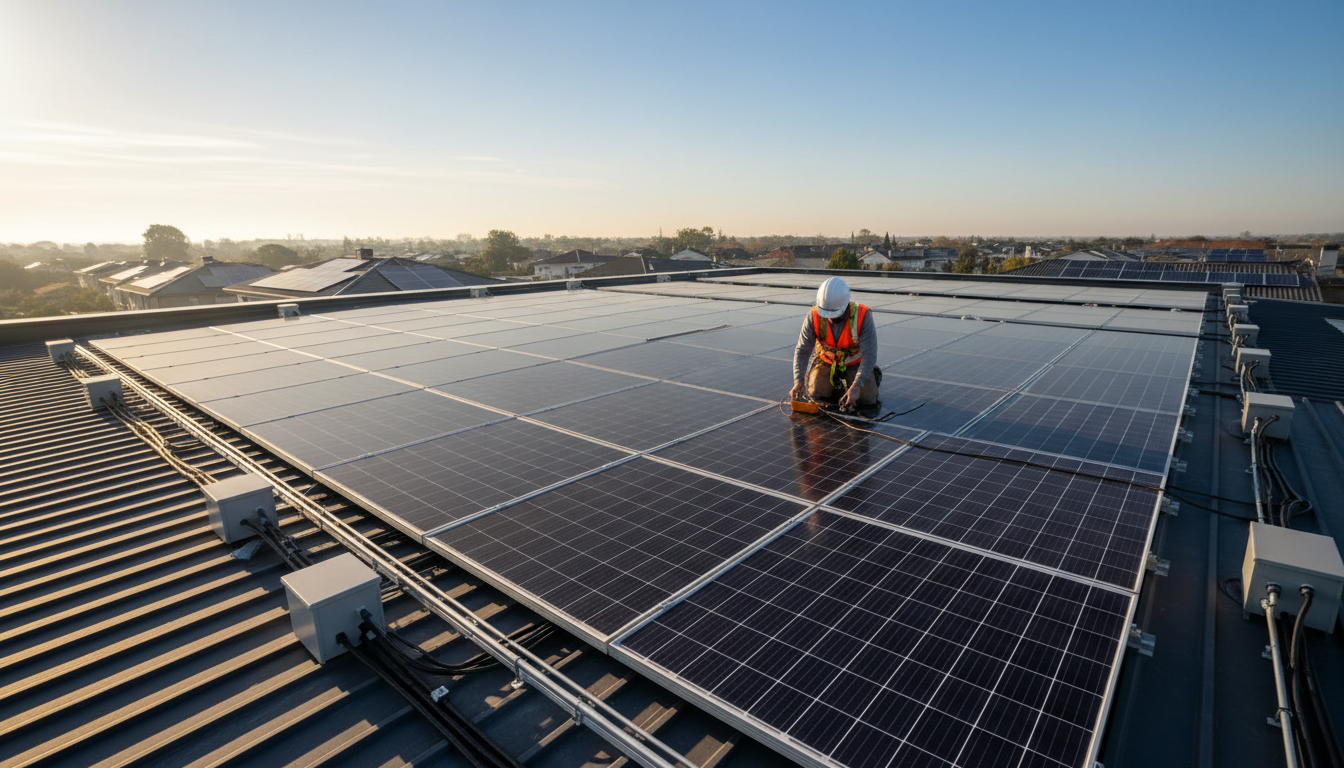
Smart grids are revolutionizing the way we manage and distribute energy. By using digital technology, these grids enhance the efficiency and reliability of electricity distribution. They enable real-time monitoring and control, which helps in reducing energy losses and managing demand more effectively.
With smart grids, consumers can benefit from dynamic pricing models that encourage energy savings during peak times. Additionally, they facilitate the integration of renewable energy sources, making it easier for households and businesses to switch to greener alternatives.
Benefits of Smart Grid Technology
- Improved energy efficiency through real-time monitoring.
- Enhanced reliability by reducing the likelihood of outages.
- Facilitated integration of renewable energy sources.
Exploring Energy Storage Solutions
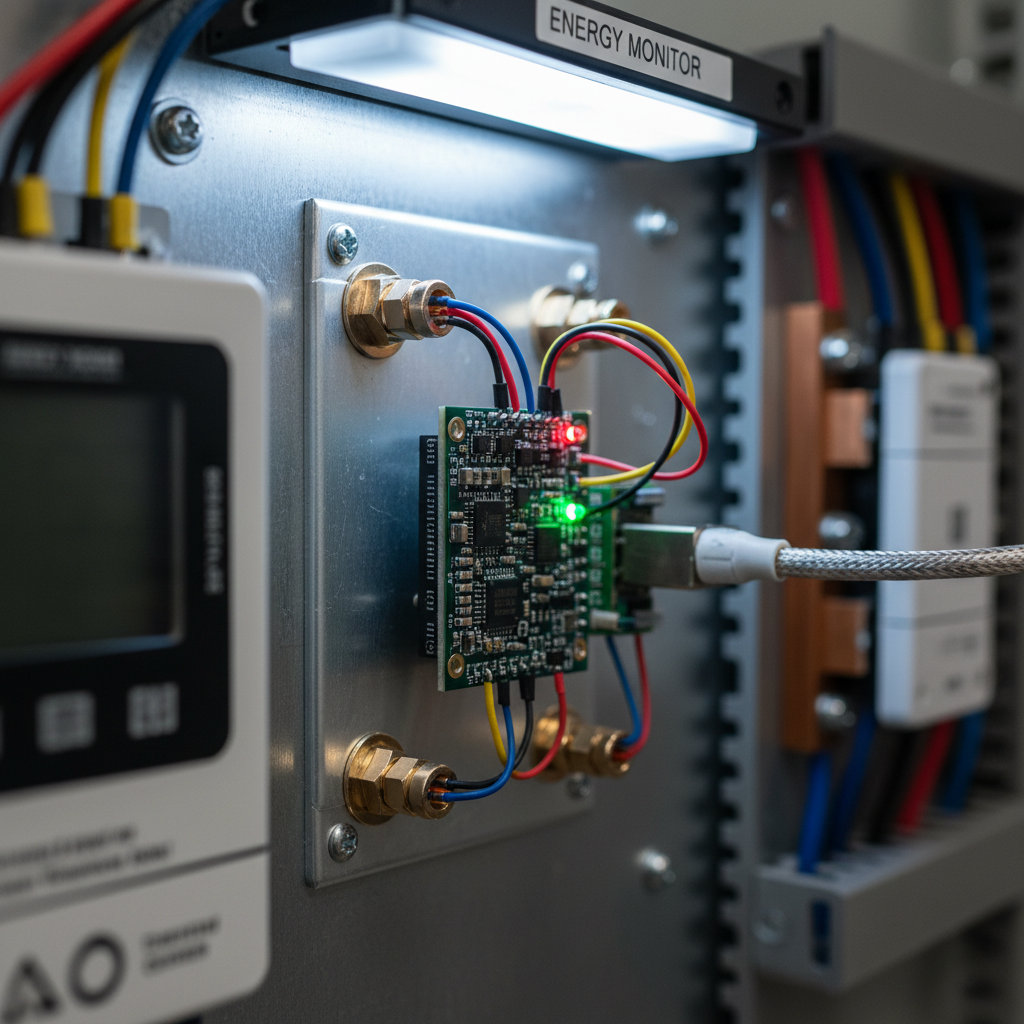
Energy storage is a critical component of advanced energy systems. By storing excess energy generated during low-demand periods, these systems ensure a continuous supply during peak times. This capability is especially important for renewable energy sources, which can be intermittent.
Batteries, pumped hydro storage, and thermal storage are popular technologies used for energy storage. These solutions help in balancing supply and demand, reducing the need for backup power from non-renewable sources.
Types of Energy Storage Technologies
- Batteries: Widely used in residential and commercial applications.
- Pumped hydro storage: Ideal for large-scale energy storage needs.
- Thermal storage: Effective for storing heat energy.
Promoting Energy Efficiency in Buildings
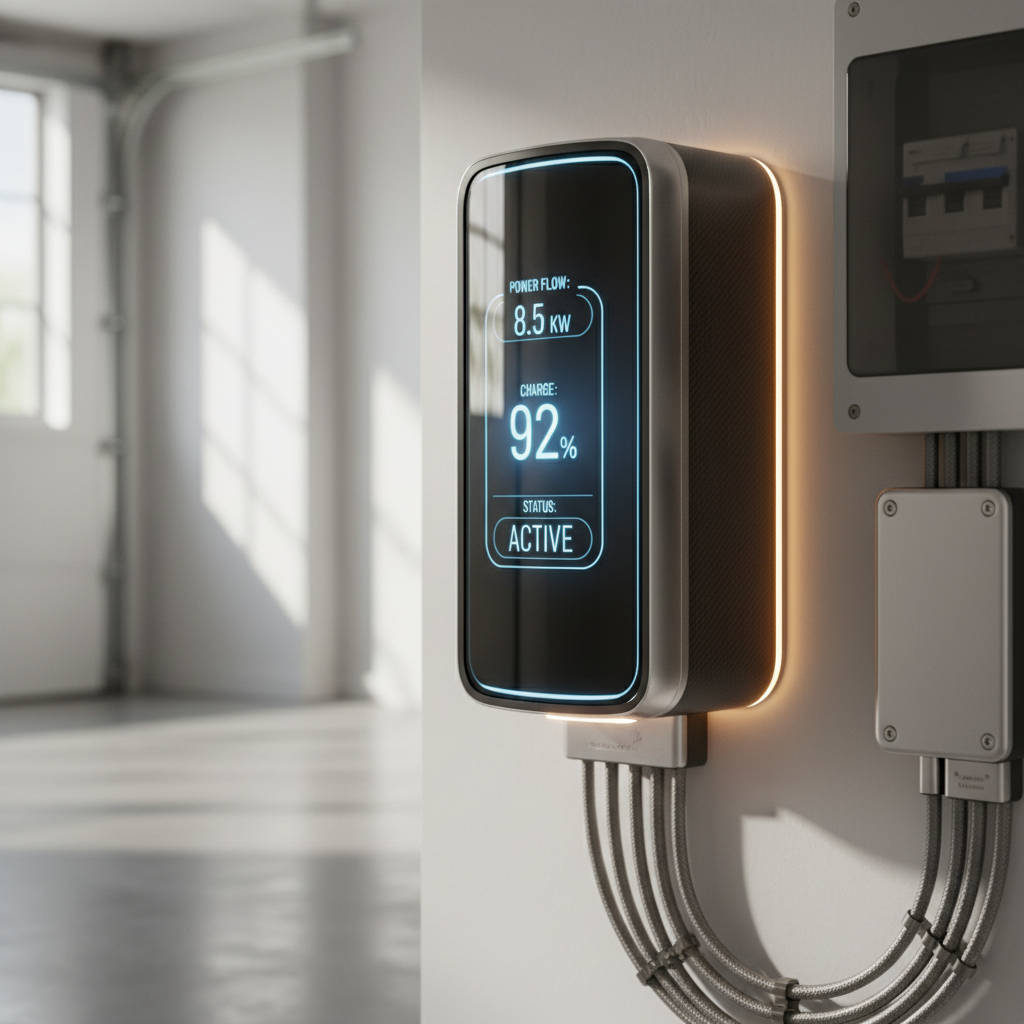
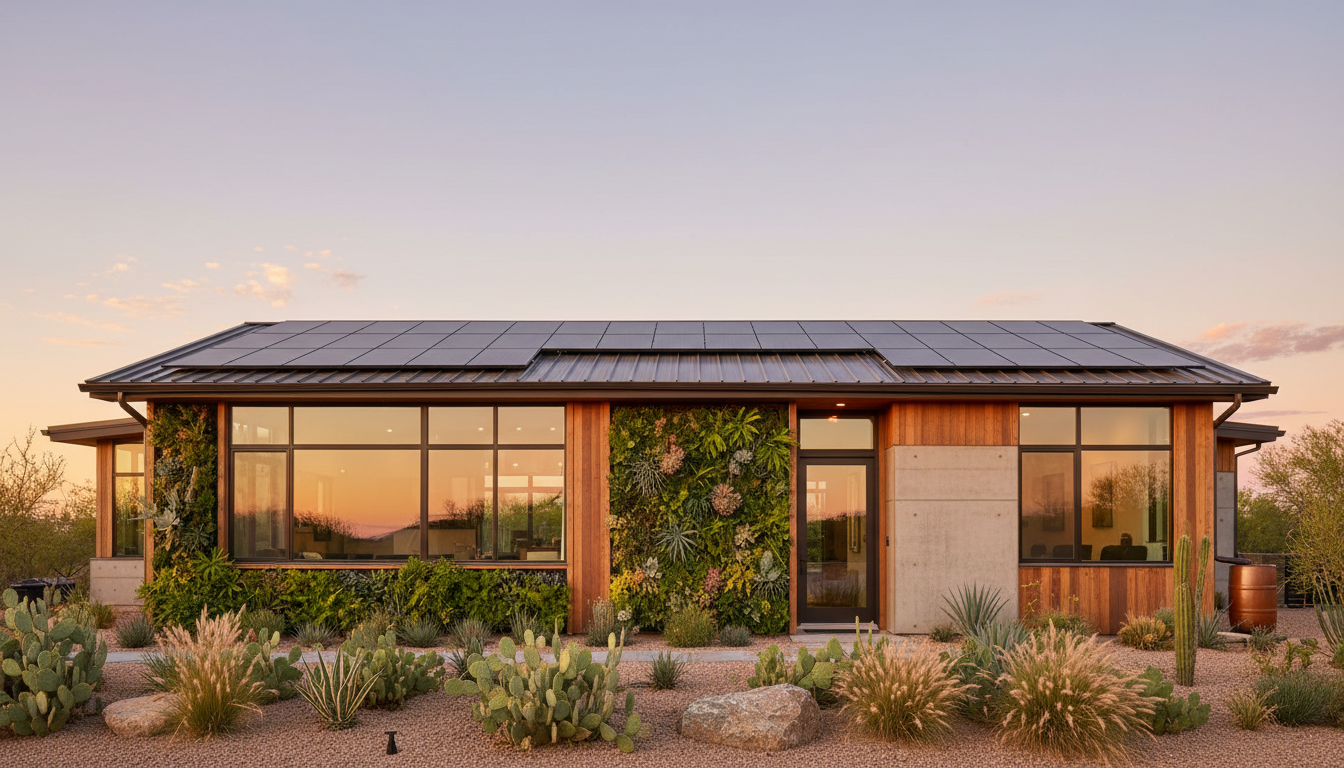
Improving energy efficiency in buildings is a significant step towards sustainability. Advanced energy systems can be integrated into building designs to optimize energy use. Features such as smart lighting, energy-efficient HVAC systems, and automated controls contribute to a substantial reduction in energy consumption.
Retrofitting existing buildings with these technologies can lead to significant energy savings and reduced operational costs. Additionally, green building certifications encourage the adoption of sustainable practices, further promoting energy efficiency.
Conclusion: A Path to a Sustainable Future
Advanced energy systems offer a viable path to achieving sustainability goals. By embracing technologies like smart grids, energy storage, and efficient building designs, we can significantly reduce our environmental impact. These innovations not only support a cleaner planet but also pave the way for economic growth and energy security.
As we continue to innovate and implement these systems, collaboration among governments, businesses, and individuals will be crucial. Together, we can create a sustainable future that benefits everyone.