
How Smart Grid Technology is Transforming Renewable Energy
Introduction to Smart Grid Technology
The emergence of smart grid technology marks a significant shift in how we produce, distribute, and consume energy. By integrating advanced digital communication with traditional power networks, smart grids offer a more efficient and reliable way to manage electricity. This innovation is particularly transformative for the renewable energy sector, where consistency and efficiency are paramount.
Enhancing Efficiency in Renewable Energy
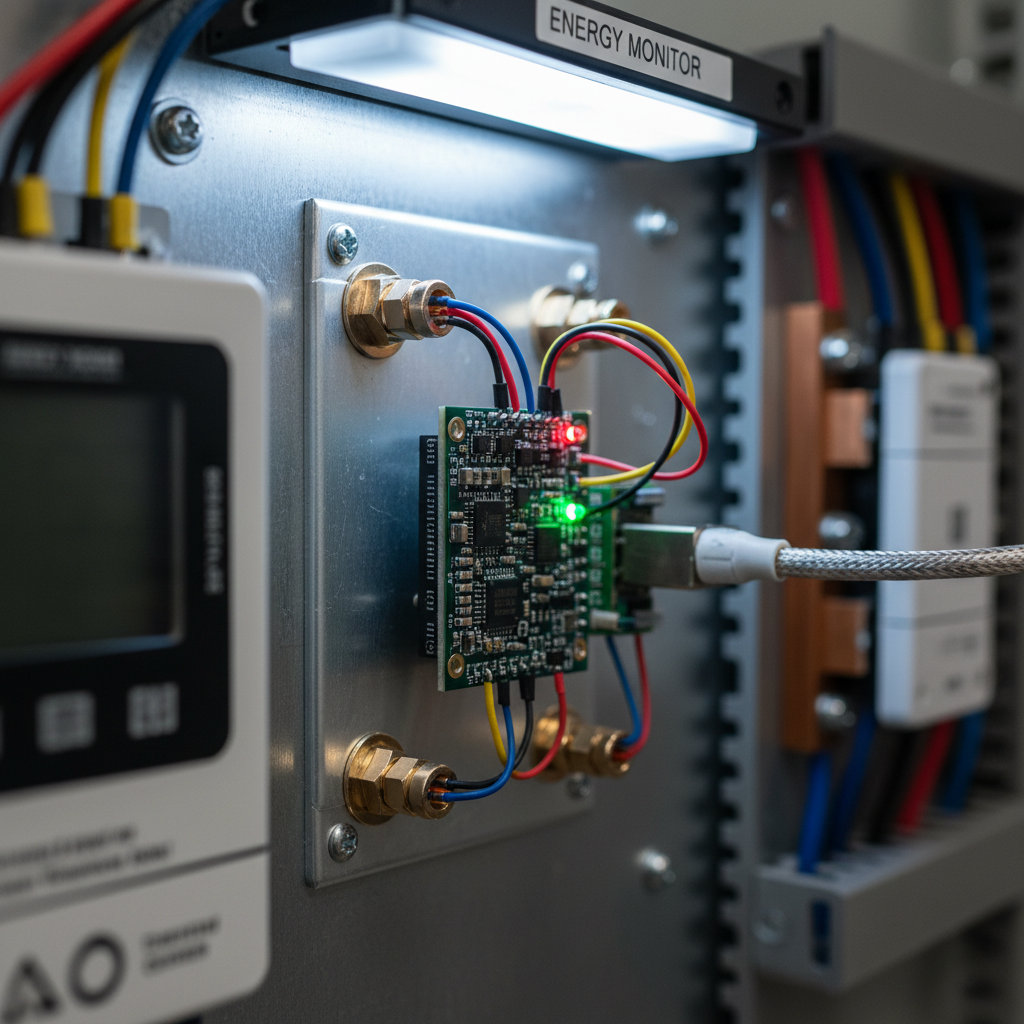
One of the primary ways smart grids are revolutionizing renewable energy is by optimizing efficiency. Traditional power grids often struggle with the intermittent nature of sources like solar and wind. Smart grids, however, use real-time data to balance supply and demand dynamically, ensuring that energy from renewable sources is used effectively.
Smart grids employ advanced metering infrastructure (AMI) that allows both consumers and utility providers to monitor and manage energy use in real time. This capability helps in reducing energy wastage and ensures that renewable energy is utilized to its fullest potential.
Real-Time Data and Predictive Analytics
Smart grid technology leverages real-time data and predictive analytics to forecast energy production and consumption. By analyzing patterns and predicting future trends, smart grids can adjust the distribution of electricity accordingly. This predictive capability is crucial for integrating renewable energy into the grid, as it helps mitigate the unpredictability of weather-dependent energy sources.

Facilitating Decentralized Energy Production
Unlike traditional grids, which centralize power production, smart grids support decentralized energy systems. This shift enables individual homes and businesses to become prosumers, both producing and consuming energy. Solar panels, wind turbines, and other renewable installations can feed excess power back into the grid, fostering a more sustainable energy ecosystem.
Decentralized energy production not only enhances grid resilience but also empowers communities by reducing reliance on large-scale power plants. The smart grid's ability to seamlessly integrate these diverse energy sources is a game-changer for renewable energy adoption.
Improving Grid Reliability and Resilience
Smart grids enhance the reliability and resilience of power networks. By incorporating automated fault detection and self-healing capabilities, smart grids can quickly identify and resolve issues, minimizing downtime and disruptions. This reliability is especially critical for renewable energy, where supply can be inconsistent.
Supporting Electric Vehicles and Energy Storage
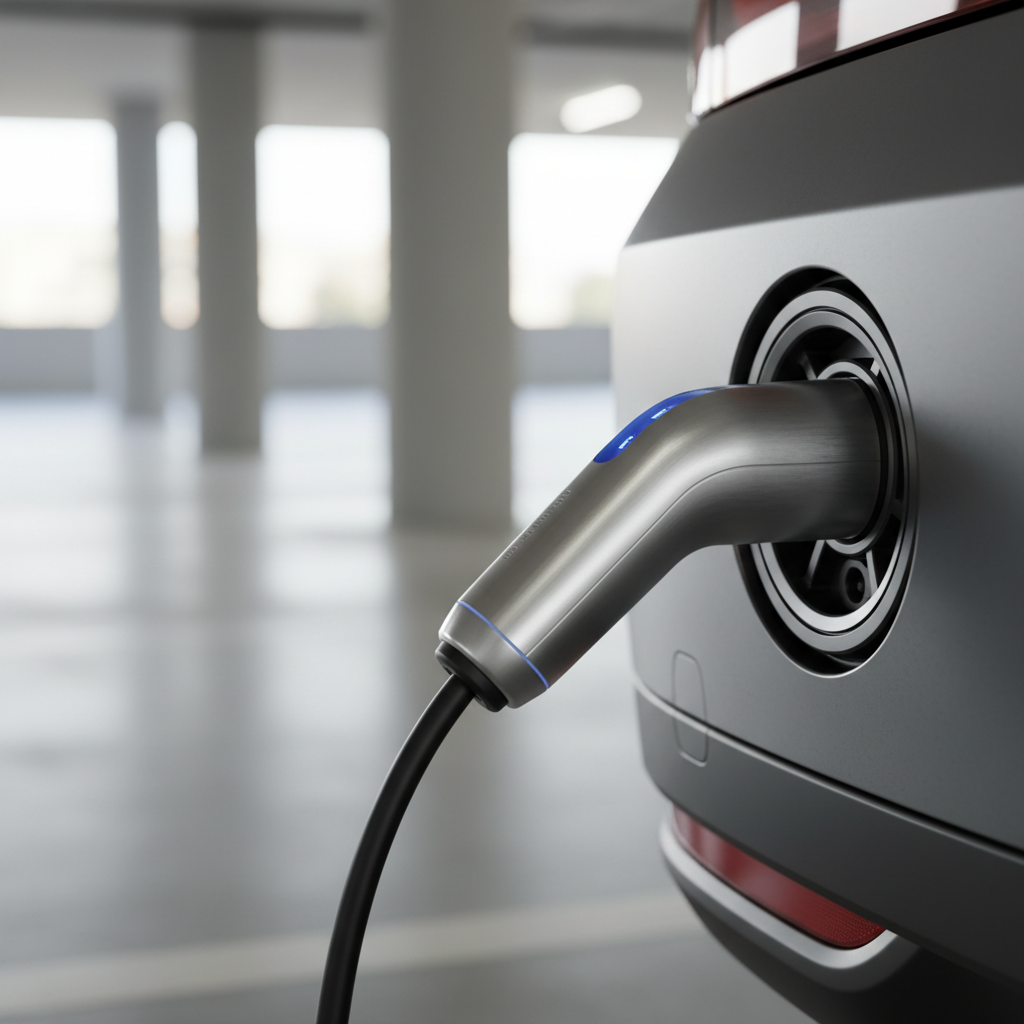
Electric vehicles (EVs) and energy storage systems are vital components of a sustainable energy future. Smart grids facilitate the integration of EVs by optimizing charging times and managing demand. Similarly, energy storage solutions, such as batteries, are essential for storing excess renewable energy for use during peak times.
Through enhanced communication and control, smart grids ensure that these technologies work in harmony, supporting a cleaner, more efficient energy landscape.
Conclusion: The Future of Energy
Smart grid technology is not just a tool for improving existing systems; it is a catalyst for transforming the entire energy landscape. By enhancing efficiency, supporting decentralized production, and improving reliability, smart grids are paving the way for a more sustainable future powered by renewable energy. As this technology continues to evolve, its impact on renewable energy will only grow, bringing us closer to a cleaner, greener world.