
How Smart Grid Technology is Revolutionizing Energy Systems
Understanding Smart Grid Technology
Smart grid technology is transforming the way we manage and distribute energy. By integrating digital communication and automation, smart grids enhance the efficiency, reliability, and sustainability of energy systems. This innovation is crucial in addressing the growing demand for energy while minimizing environmental impact.
At the core of smart grid technology is its ability to monitor and manage energy flow in real-time. This dynamic interaction between energy providers and consumers ensures optimal energy usage and reduces waste. As a result, both energy costs and carbon footprints are significantly lowered.
Key Components of Smart Grids
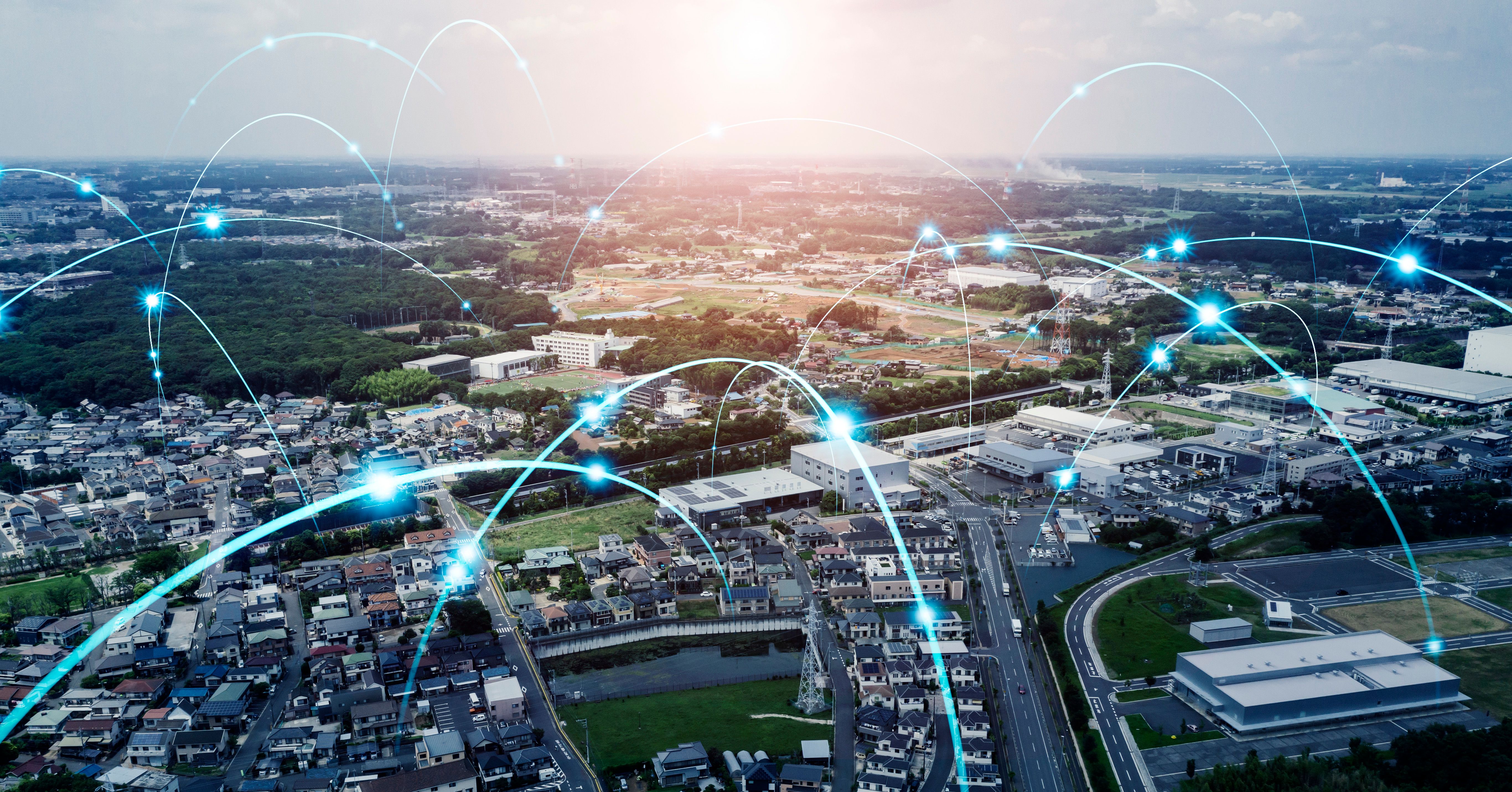
Smart grids are composed of several critical components that work together seamlessly. These include smart meters, advanced sensors, and automated control systems. Smart meters provide real-time data on energy consumption, enabling more accurate billing and energy management.
Advanced sensors and automated controls enable quick responses to changes in energy demand and supply. This adaptability is crucial for integrating renewable energy sources like solar and wind, which are inherently variable.
Benefits of Smart Grid Technology
The advantages of smart grid technology extend beyond just improved efficiency. It enhances grid reliability by identifying and addressing faults before they lead to outages. This proactive approach ensures a more stable energy supply for consumers.

Moreover, smart grids empower consumers to play an active role in energy management. Through demand response programs, consumers can adjust their energy usage during peak times, reducing strain on the grid and lowering their energy bills.
Environmental Impact
Smart grids contribute significantly to reducing the environmental impact of energy systems. By optimizing energy use and integrating renewables, they help decrease greenhouse gas emissions. This shift is vital in the global effort to combat climate change.
Challenges and Future Outlook
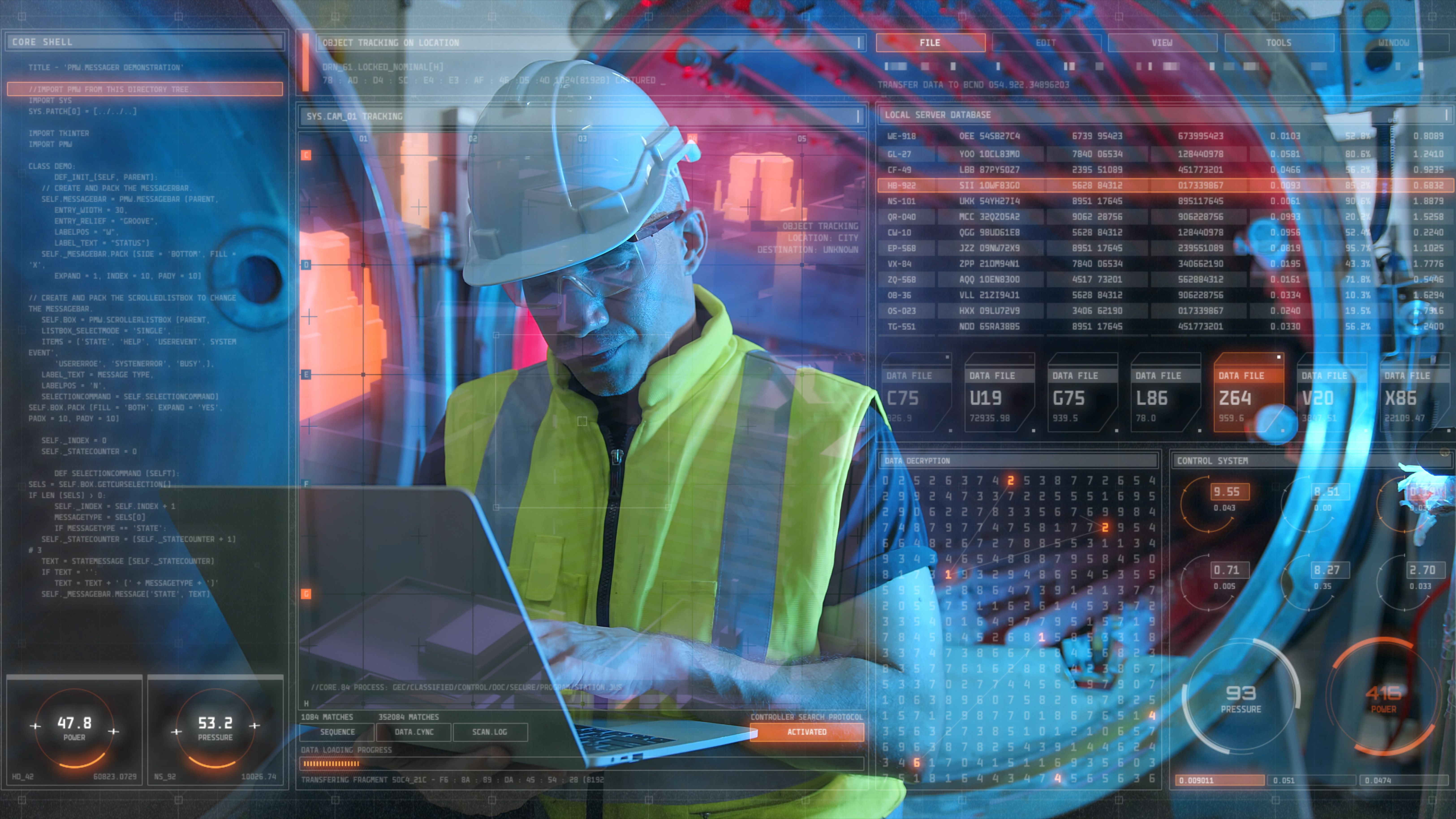
Despite the numerous benefits, implementing smart grid technology comes with challenges. The initial investment for infrastructure upgrades can be substantial. Additionally, ensuring cybersecurity in these interconnected systems is crucial to protect against potential threats.
Looking ahead, the future of smart grids is promising. As technology advances, the integration of artificial intelligence and machine learning could further enhance grid management. This evolution will pave the way for a more sustainable and resilient energy future.
Conclusion
Smart grid technology is revolutionizing energy systems, offering a pathway to more efficient, reliable, and environmentally friendly energy management. As we continue to innovate and overcome challenges, smart grids will play an increasingly vital role in shaping the future of energy.