How Energy Management Systems Drive Efficiency and Sustainability
In today's rapidly evolving world, businesses and individuals alike are seeking ways to improve energy efficiency and promote sustainability. Energy Management Systems (EMS) have emerged as a powerful tool to achieve these goals, offering a structured approach to monitor, control, and conserve energy usage.
Understanding Energy Management Systems
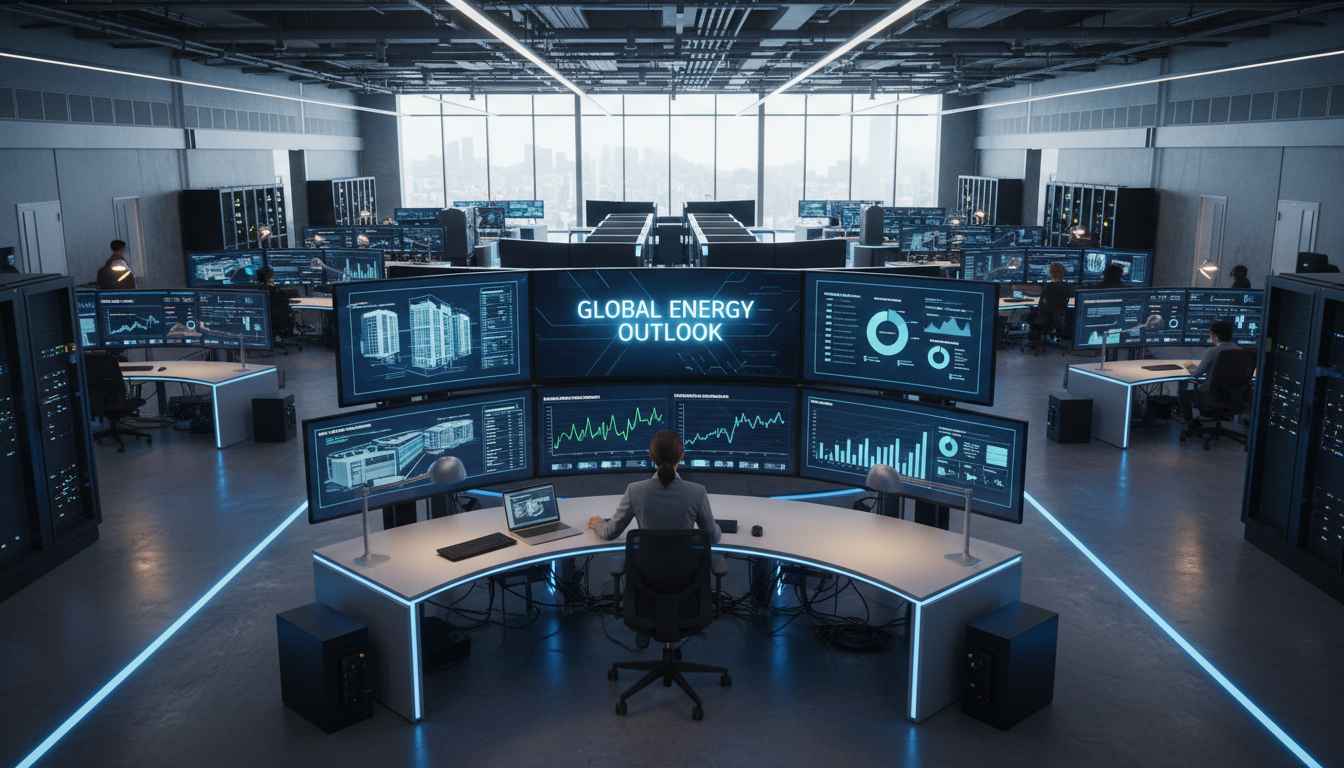
An Energy Management System is a comprehensive solution that integrates hardware and software to monitor and control energy consumption in various settings. These systems provide insights into energy usage patterns, identify inefficiencies, and suggest actionable improvements.
The primary components of an EMS include sensors, meters, and software platforms. These work together to collect data, analyze it, and provide recommendations for optimizing energy use. The result is a more efficient and sustainable energy consumption model.
Benefits of Implementing EMS
Implementing an EMS can lead to significant benefits, both environmentally and economically. Here are some of the key advantages:
- Cost Savings: By identifying inefficiencies, businesses can reduce their energy bills substantially.
- Environmental Impact: Lower energy consumption translates to reduced greenhouse gas emissions, contributing to a cleaner environment.
- Regulatory Compliance: Many regions have stringent energy regulations, and an EMS helps ensure compliance.
Driving Efficiency with Advanced Technology
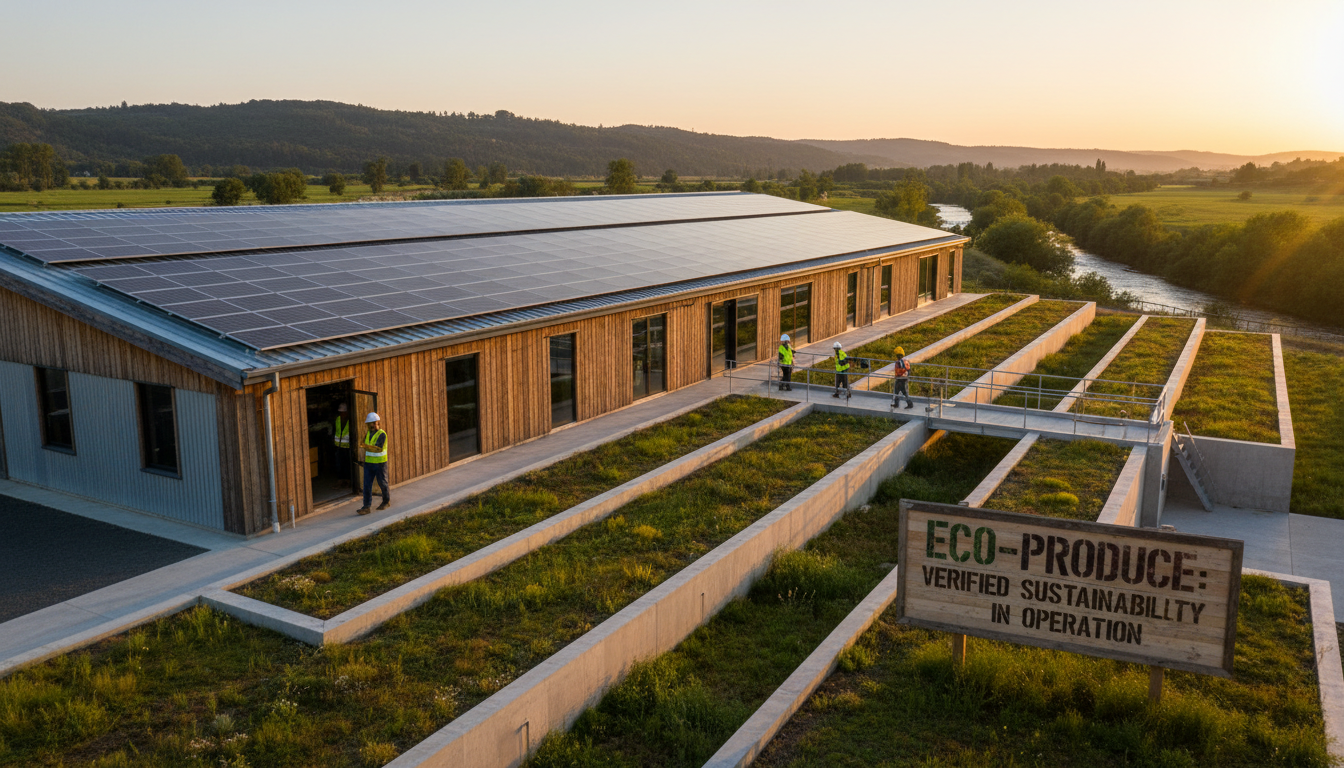
Modern Energy Management Systems leverage cutting-edge technology to enhance efficiency. The integration of Internet of Things (IoT) devices allows for real-time monitoring of energy usage. This capability ensures that businesses can respond promptly to any anomalies or inefficiencies.
Additionally, artificial intelligence (AI) and machine learning algorithms are increasingly being used to predict energy demand and optimize consumption patterns. These technologies enable a proactive approach to energy management, reducing waste and improving sustainability.
Challenges and Considerations
While EMS offers numerous benefits, there are challenges to consider. The initial investment can be significant, and the complexity of integrating the system into existing infrastructures may pose difficulties. However, the long-term benefits often outweigh these initial hurdles.

Furthermore, it's essential to ensure that all stakeholders are on board and understand the importance of energy management. Training and education play a crucial role in maximizing the effectiveness of an EMS.
The Future of Energy Management Systems
As technology continues to evolve, so too will Energy Management Systems. Innovations in renewable energy sources, improved data analytics, and enhanced connectivity are expected to drive further efficiency gains.
Ultimately, EMS will play a pivotal role in helping organizations and individuals achieve their sustainability goals. By embracing these systems, we can pave the way for a more sustainable future, benefiting both our planet and our bottom lines.