How Data Technology is Revolutionizing Energy Efficiency
The Role of Data Technology in Energy Efficiency
In recent years, the integration of data technology in the energy sector has sparked a revolution in how we approach energy efficiency. By leveraging data analytics, machine learning, and the Internet of Things (IoT), industries are transforming their energy consumption practices. This advancement is not only reducing costs but also contributing significantly to environmental sustainability.

Data-Driven Insights for Better Energy Management
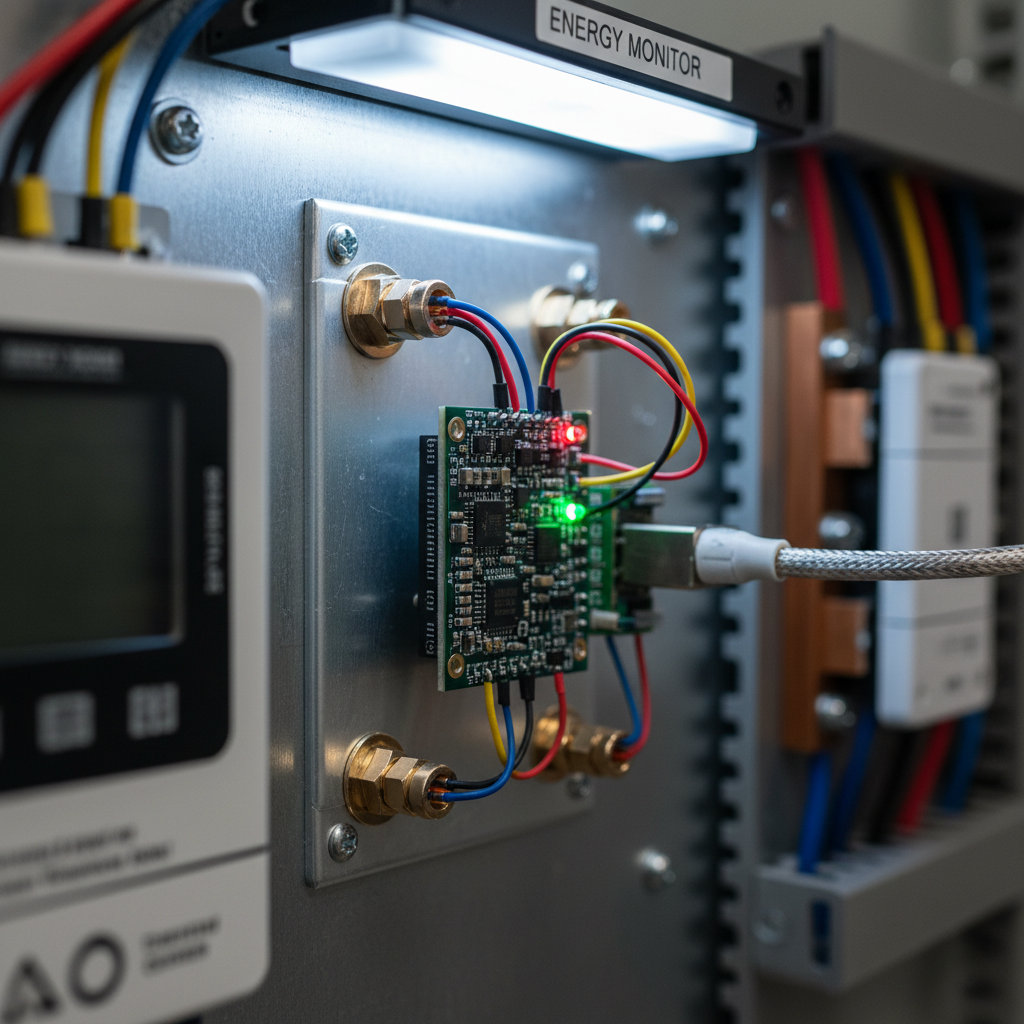
Data technology allows for the collection and analysis of vast amounts of energy-related data. Through smart meters and sensors, organizations can monitor energy usage in real-time. This real-time monitoring provides actionable insights that can lead to immediate adjustments, optimizing energy consumption and reducing waste.
For instance, data analytics can identify peak usage times and suggest adjustments to lower consumption during these periods. This proactive approach enables businesses to implement energy-saving measures efficiently and effectively.
Predictive Maintenance and Reduced Downtime
Another significant advantage of data technology is its ability to predict equipment failures before they occur. By analyzing historical data and identifying patterns, predictive maintenance tools can forecast potential issues. This minimizes downtime and ensures that machinery operates at optimum efficiency, ultimately conserving energy.
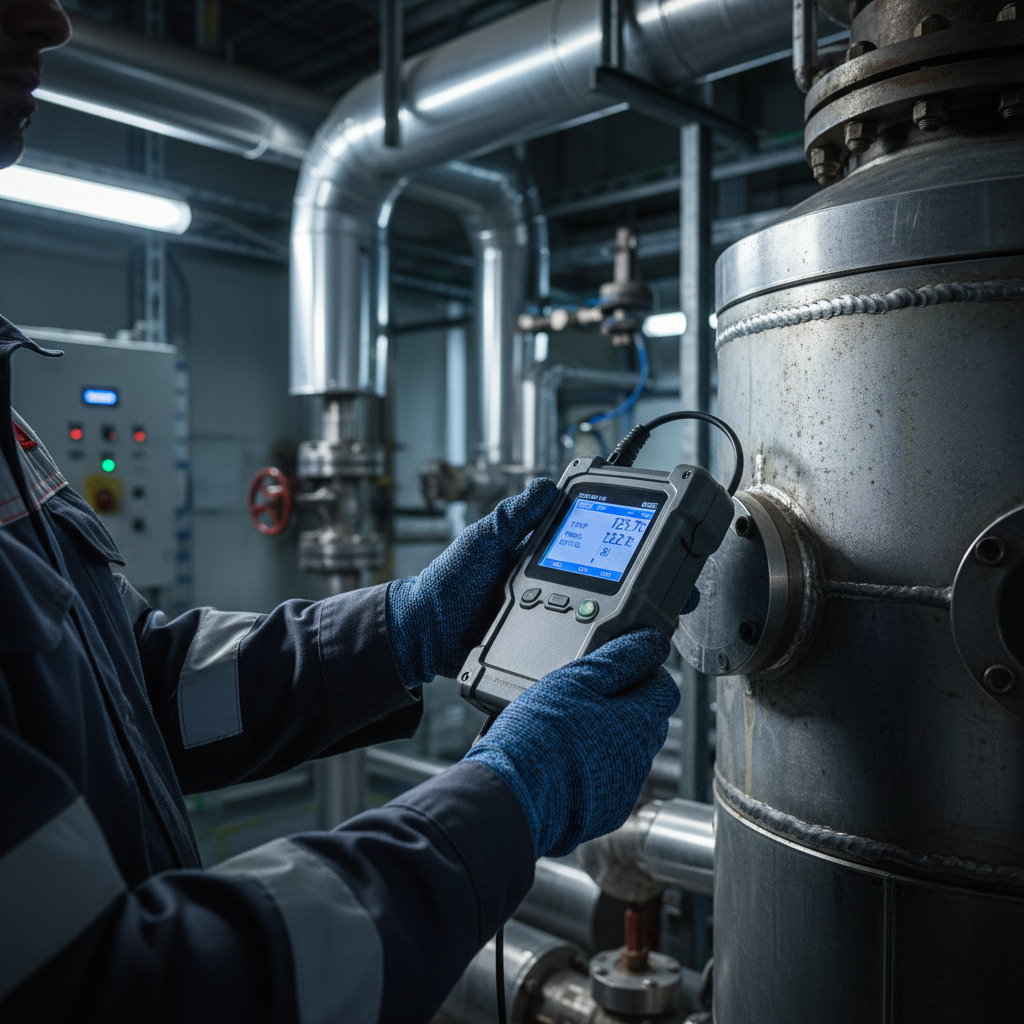
Moreover, predictive maintenance reduces the need for frequent manual inspections, saving both time and resources. This shift to a predictive model is transforming how industries maintain their equipment and manage energy consumption.
Smart Grids and Decentralized Energy Systems
The development of smart grids is a testament to how data technology is revolutionizing energy distribution. Smart grids use data to automatically adjust energy flows, balance supply and demand, and incorporate renewable energy sources more effectively. This adaptability ensures a more stable and efficient energy system.
Additionally, decentralized energy systems, supported by data technology, are becoming more prevalent. These systems allow for localized energy production and consumption, reducing transmission losses and enhancing overall efficiency.
Challenges and Opportunities
While the benefits of data technology in energy efficiency are clear, there are challenges to consider. Data privacy and security are paramount, as the increasing reliance on data raises concerns about potential breaches. Implementing robust cybersecurity measures is essential to safeguard sensitive information.
Despite these challenges, the opportunities for innovation and improvement in energy efficiency through data technology are immense. As technology continues to evolve, the potential for even greater advancements in energy management is on the horizon.
- Improved energy monitoring and management.
- Enhanced predictive maintenance capabilities.
- More effective integration of renewable energy sources.
The Future of Energy Efficiency
Looking ahead, the integration of artificial intelligence and machine learning with data technology promises to take energy efficiency to new heights. These technologies can automate complex decision-making processes, further optimizing energy use across various sectors.
As industries continue to embrace these advancements, the impact on global energy consumption and environmental sustainability is expected to be profound. Data technology is not just a tool for today; it is paving the way for a more efficient and sustainable future.