Expert Insights on the Future of Data and Energy Technologies
Understanding the Intersection of Data and Energy
The rapid evolution of technology has significantly impacted how industries operate, particularly in the realms of data and energy. As we look to the future, these two sectors are becoming increasingly intertwined. The integration of data technologies in energy systems promises enhanced efficiency, sustainability, and innovation.
Data-driven insights are revolutionizing the energy sector. By leveraging big data analytics, energy companies can optimize operations, predict maintenance needs, and reduce waste. This shift not only boosts productivity but also supports environmental goals.
Big Data and Smart Grids
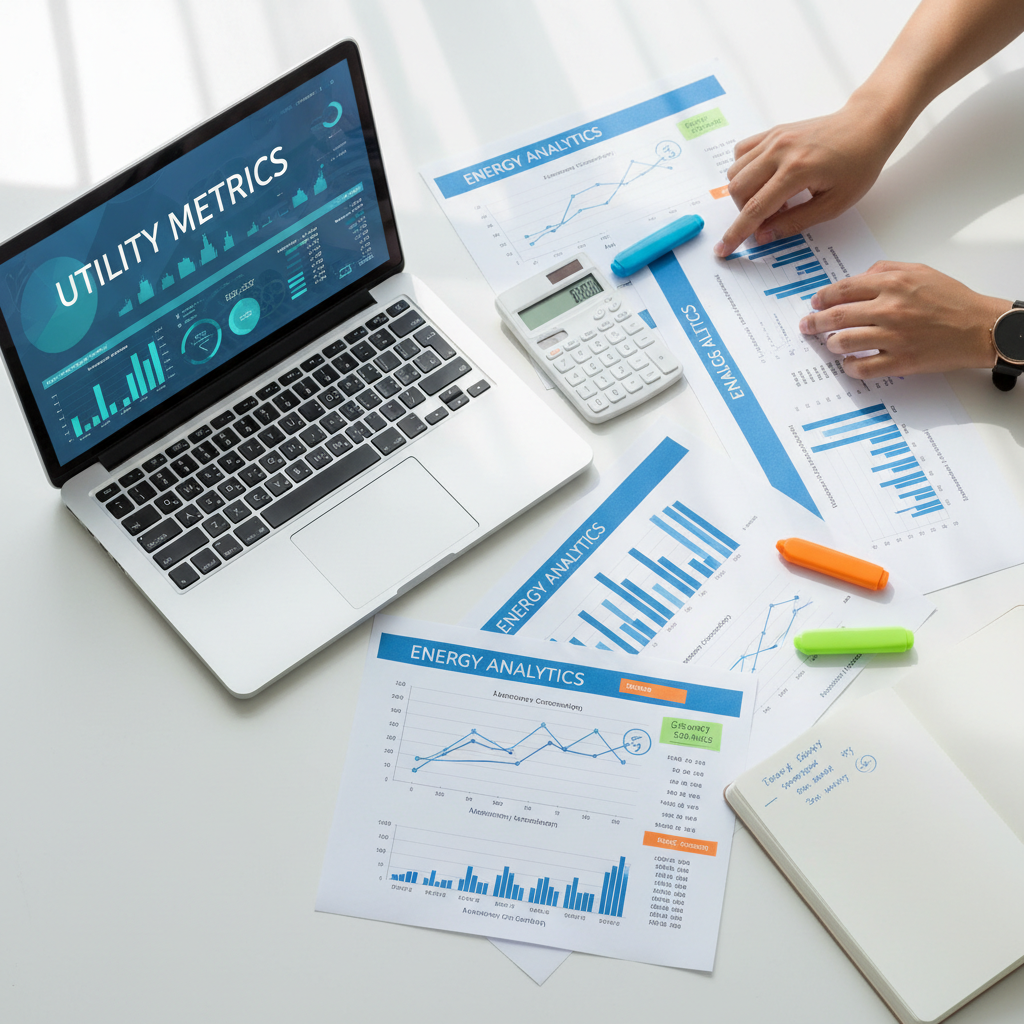
One of the most exciting developments is the rise of smart grids. These modernized electrical grids use data and communication technologies to improve the efficiency and reliability of electricity distribution. Smart grids enable real-time monitoring, which helps in balancing energy supply and demand.
With the help of big data, utilities can analyze consumption patterns and predict peak usage times. This allows for better management of resources and reduces the risk of outages. The implementation of smart grids is a step towards a more sustainable energy future.

Renewable Energy and Data Integration
Renewable energy sources like solar and wind are becoming more prominent, and data technology plays a crucial role in their integration. By using predictive analytics, energy providers can forecast weather conditions and adjust the energy supply accordingly. This reduces waste and maximizes the use of renewable resources.
Moreover, data technologies enable better energy storage solutions. By analyzing usage patterns, companies can optimize storage systems, ensuring that energy is available when needed. This is vital for maintaining a steady supply of renewable energy.

Challenges and Opportunities
Despite the potential benefits, integrating data and energy technologies presents challenges. Data security and privacy are major concerns as energy systems become more interconnected. Ensuring robust cybersecurity measures is essential to protect sensitive information.
However, these challenges also present opportunities for innovation. Companies that can successfully navigate these issues will likely lead the way in the future of energy technology. The demand for skilled professionals in data science and energy management is set to rise, opening new career paths.
The Role of Artificial Intelligence
Artificial intelligence (AI) is set to play a pivotal role in the future of data and energy technologies. AI algorithms can process vast amounts of data faster and more accurately than traditional methods, enabling more efficient energy management.
AI can also help in predictive maintenance, identifying potential issues before they become major problems. This not only saves costs but also reduces downtime, ensuring reliable energy supply.

Future Prospects
The integration of data and energy technologies is still in its early stages, but the future looks promising. As technology continues to advance, we can expect even greater efficiencies and innovations. This will not only benefit businesses but also contribute to a more sustainable planet.
Collaboration between tech companies, energy providers, and governments will be key to unlocking the full potential of these technologies. By working together, stakeholders can create a more resilient and sustainable energy future.