DIY Tips for Enhancing Energy Efficiency with Data Analytics
Understanding Energy Efficiency and Data Analytics
In today's world, energy efficiency is more important than ever. With the increasing cost of energy and the environmental impacts of overconsumption, finding ways to reduce energy use is crucial. Data analytics can be a powerful tool in this endeavor, providing insights that help you make informed decisions about energy consumption.
Data analytics involves collecting and analyzing data to identify patterns and trends. By applying these techniques to energy use, you can pinpoint areas where efficiency can be improved. Whether you're a homeowner or run a small business, utilizing data analytics can significantly enhance your energy efficiency efforts.
Identifying Energy Consumption Patterns
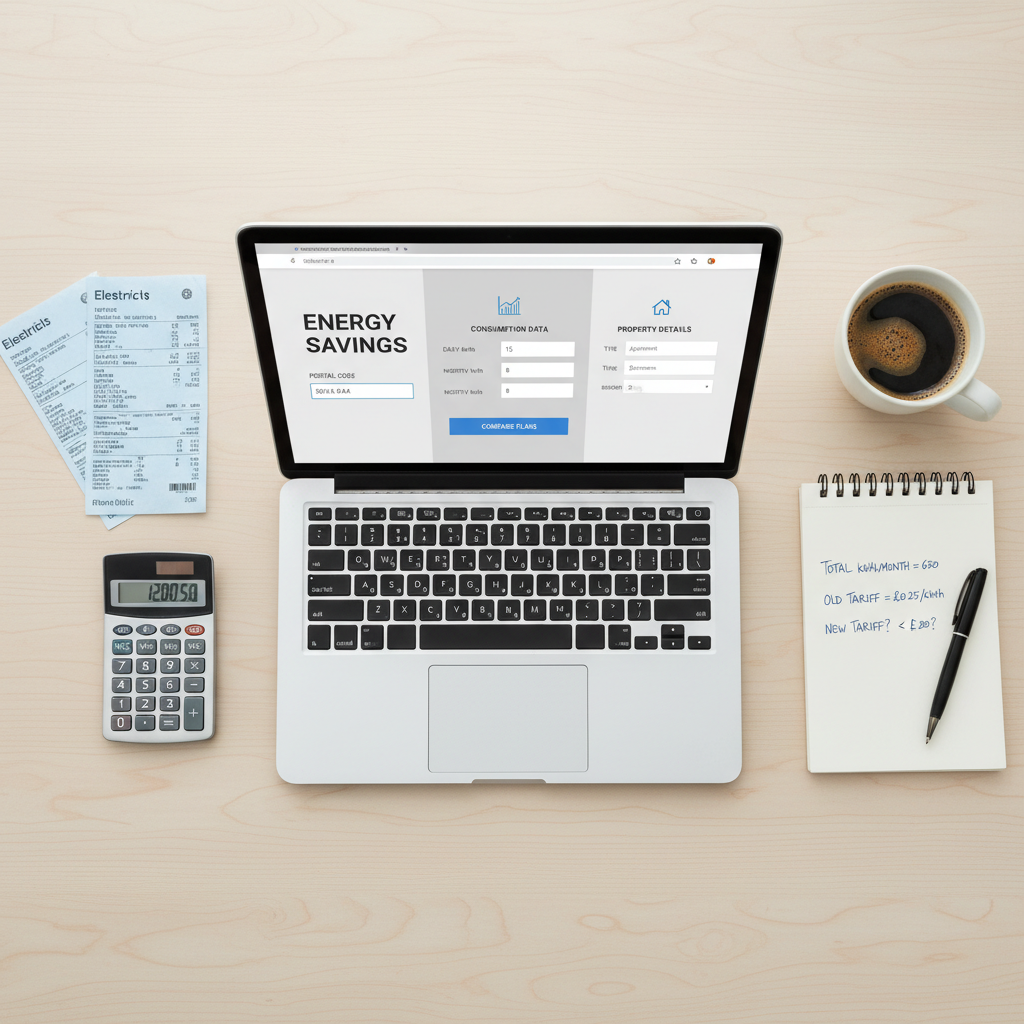
The first step in using data analytics for energy efficiency is identifying your current consumption patterns. By understanding when and where you're using the most energy, you can develop targeted strategies for reduction. Smart meters and energy monitoring devices can provide real-time data on your energy use.
Once you have this data, look for trends. Are there specific times of day when your energy consumption spikes? Are certain appliances consuming more power than they should? Identifying these patterns is key to developing a successful energy-saving strategy.
Using Software Tools
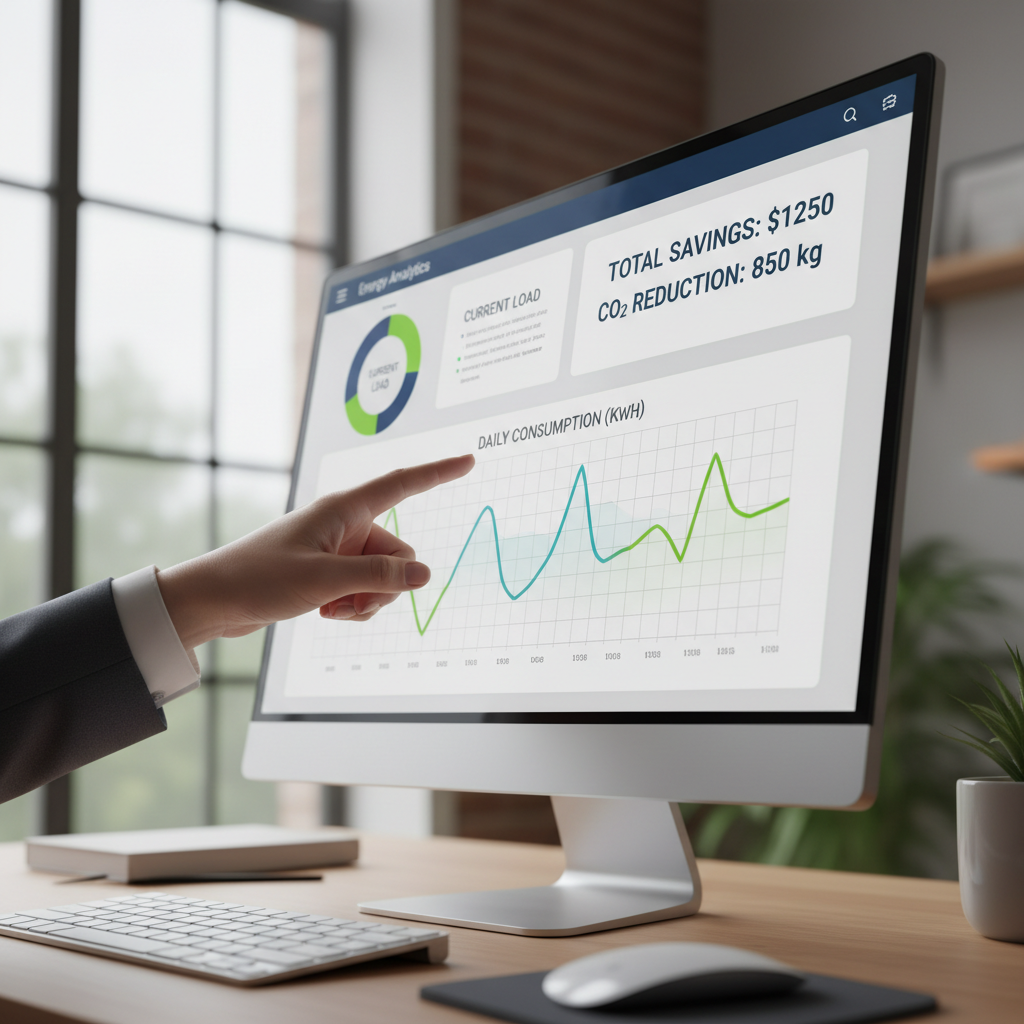
There are numerous software tools available that can help in analyzing energy data. These tools can provide detailed reports and visualizations of your energy consumption, making it easier to interpret the data. Some popular options include energy management software and home automation systems.
By using these tools, you can automate the process of data collection and analysis, allowing you to focus on implementing energy-saving measures. Additionally, many of these tools offer features like predictive analytics, which can help forecast future energy needs based on past consumption patterns.
Implementing Energy-Saving Strategies
Once you've analyzed your data and identified areas for improvement, it's time to implement energy-saving strategies. This might involve simple changes like adjusting your thermostat or more complex solutions like installing energy-efficient appliances. The data you've gathered can guide these decisions, ensuring that your efforts are both effective and efficient.
Consider forming a plan that includes both short-term and long-term goals. Short-term strategies might include turning off lights when leaving a room, while long-term goals could involve investing in solar panels or a more efficient heating system.
Monitoring Progress and Adjusting Strategies
After implementing your energy-saving strategies, it's important to continue monitoring your energy consumption. Regularly reviewing your data will help you determine whether your efforts are paying off and where further adjustments might be needed.
Use your analytics tools to track changes over time. If you notice that certain strategies aren't as effective as anticipated, don't hesitate to make adjustments. Energy efficiency is an ongoing process, and continuous improvement is key to success.

Benefits of Enhanced Energy Efficiency
Enhancing energy efficiency through data analytics offers numerous benefits. Not only can it lead to significant cost savings on your energy bills, but it also contributes to a more sustainable future. By reducing your energy consumption, you're helping to decrease the demand on power grids and reduce greenhouse gas emissions.
Moreover, improved energy efficiency can increase the comfort and value of your home or business. It can lead to a more consistent indoor temperature, better air quality, and enhanced overall convenience.
Conclusion
Incorporating data analytics into your energy efficiency efforts can be a game changer. By understanding your energy consumption patterns and implementing targeted strategies, you can achieve significant savings and contribute to a more sustainable world. Remember, the key lies in continuous monitoring and adjustment to ensure your efforts remain effective over time.