Debunking Myths About Smart Grid Technology and Its Benefits
Understanding Smart Grid Technology
Smart grid technology is revolutionizing the way we manage and distribute electricity. However, numerous myths surround this innovative system, often leading to misunderstandings about its capabilities and benefits. In this post, we'll explore and debunk some common myths to shed light on what smart grid technology truly offers.
Myth 1: Smart Grids Are Just Advanced Meters
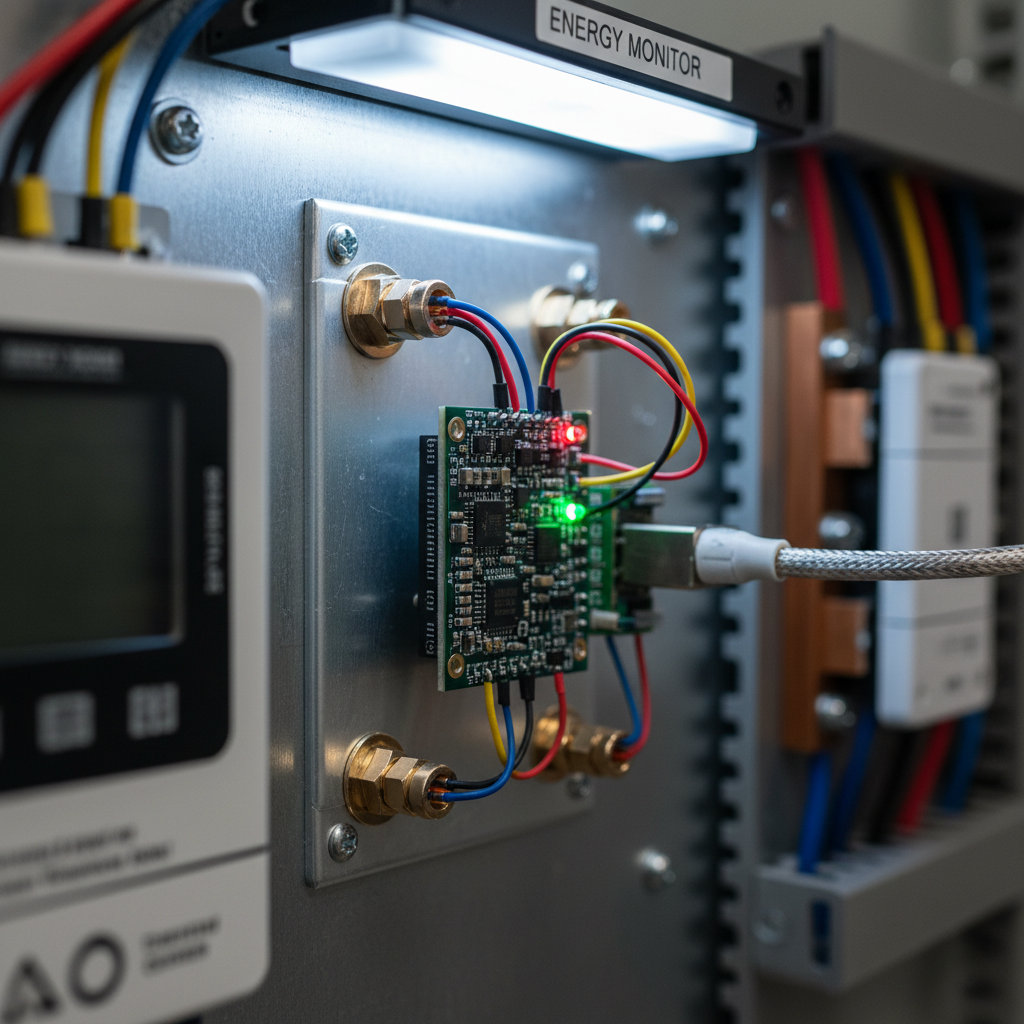
Many people mistakenly believe that smart grids are merely advanced electric meters. While smart meters are an essential component, the smart grid encompasses a far broader network. It includes a wide range of technologies designed to improve the efficiency, reliability, and sustainability of power distribution.
The smart grid integrates digital technology with the electrical grid, enabling two-way communication between utilities and consumers. This integration allows for real-time monitoring and management, which helps reduce energy waste and optimize resource use.
Myth 2: Smart Grids Are Not Secure
Security is a major concern when it comes to any digital system, and smart grids are no exception. However, the myth that smart grids are inherently insecure is unfounded. Modern smart grid technologies incorporate advanced cybersecurity measures to protect against potential threats.

These systems are equipped with robust encryption, authentication, and monitoring tools to detect and respond to cyber threats promptly. Continuous advancements in cybersecurity ensure that smart grids remain secure and resilient against evolving risks.
Myth 3: Smart Grids Are Too Expensive
Another common misconception is that smart grids are prohibitively expensive. While the initial investment may seem significant, the long-term benefits often outweigh the costs. Smart grids enhance operational efficiency, reduce energy losses, and improve outage response times, leading to substantial savings for utilities and consumers alike.
Moreover, smart grid technology supports the integration of renewable energy sources, further contributing to cost savings and environmental benefits. This transition fosters a more sustainable and affordable energy future.
Benefits of Smart Grid Technology
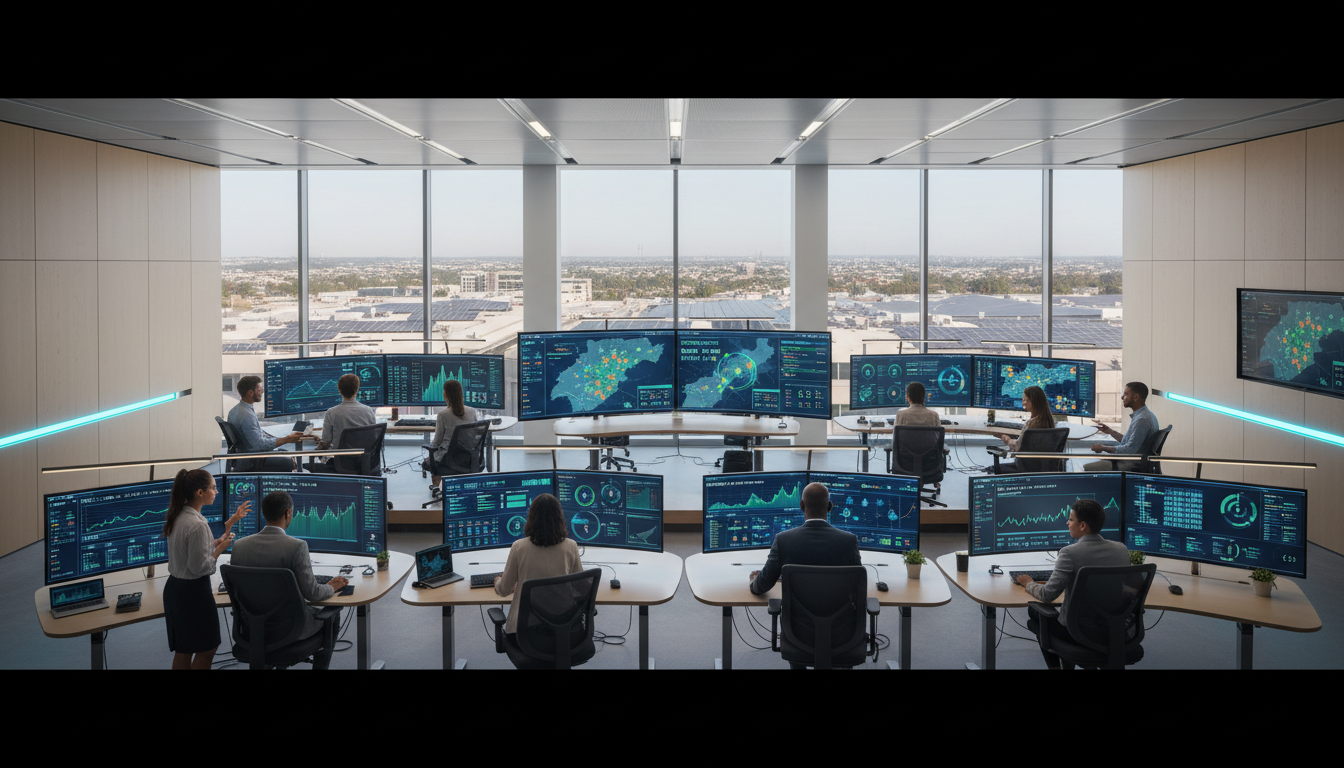
Understanding the true benefits of smart grid technology can help dispel myths and encourage broader adoption. Here are some key advantages:
- Enhanced Reliability: Smart grids improve the reliability of power supply by quickly detecting and responding to outages.
- Increased Efficiency: Real-time data allows for better management of electricity demand and supply, reducing waste.
- Environmental Benefits: By facilitating renewable energy integration, smart grids contribute to a reduction in carbon emissions.
- Empowered Consumers: Smart grids provide consumers with detailed insights into their energy usage, enabling them to make informed decisions and reduce costs.
The Future of Smart Grids
As technology continues to advance, the capabilities of smart grids will only grow. Future developments may include enhanced data analytics, improved energy storage solutions, and even more seamless integration with renewable energy sources.
Investing in smart grid technology is a crucial step toward a more reliable, efficient, and sustainable energy system. By debunking these myths and understanding the true benefits, we can pave the way for broader acceptance and implementation of this transformative technology.