
Debunking Myths About Renewable Energy Solutions
Understanding Renewable Energy
Renewable energy is often misunderstood, leading to several myths that can cloud our perception of its benefits and potential. In this blog post, we aim to debunk some of these common misconceptions and provide clarity on the true value of renewable energy solutions.
Renewable energy, derived from natural sources like the sun, wind, and water, offers a sustainable way to meet our energy needs. Despite its growing popularity, several myths persist that can hinder its adoption.
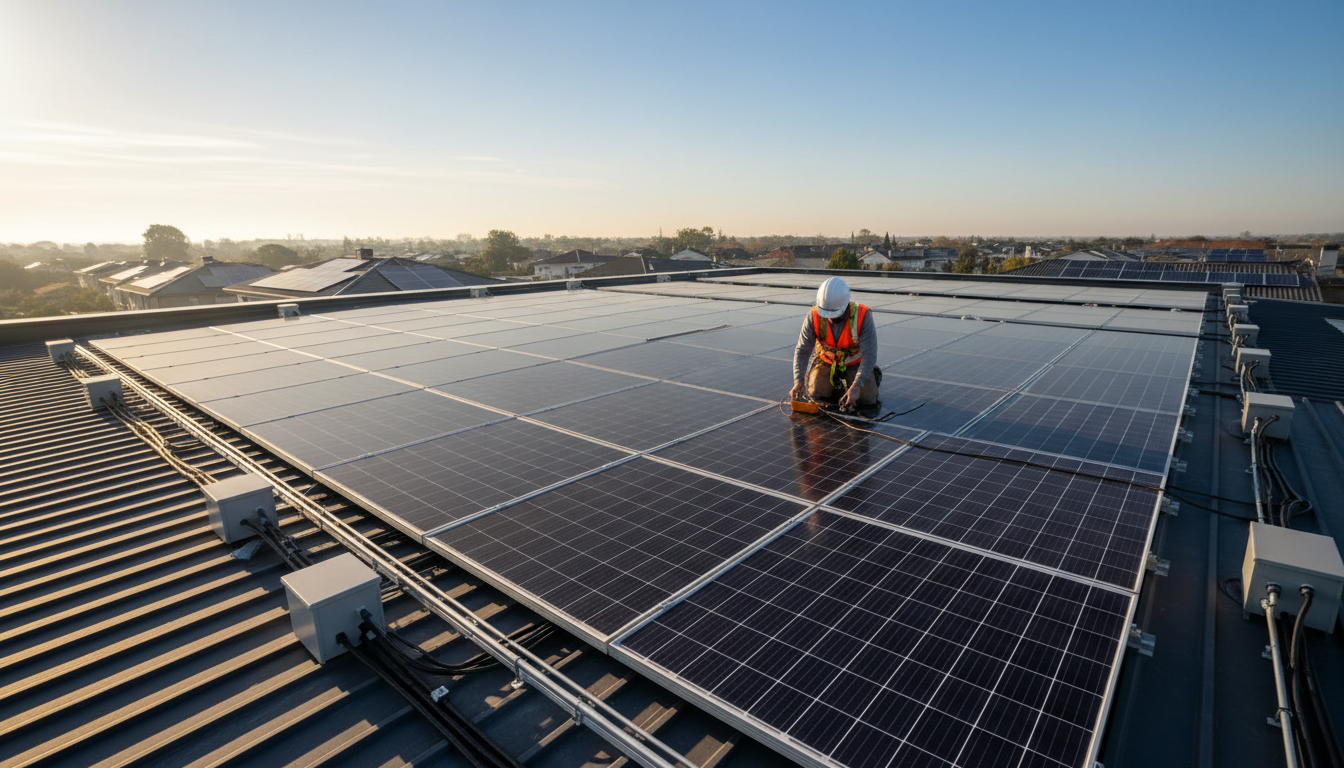
Myth 1: Renewable Energy Is Too Expensive
One of the most pervasive myths is that renewable energy is prohibitively expensive. While it’s true that initial setup costs for technologies like solar panels can be high, the long-term savings are significant. Once installed, solar panels and wind turbines can provide energy at a much lower cost than traditional sources.
In fact, the cost of solar and wind energy has decreased dramatically over the past decade, making them competitive with, or even cheaper than, fossil fuels in many regions. Additionally, government incentives and tax credits can further reduce the financial burden of switching to renewable energy.
Myth 2: Renewable Energy Is Unreliable
Another common misconception is that renewable energy sources are unreliable because they depend on the weather. While it's true that solar and wind energy are weather-dependent, advancements in technology have significantly improved their reliability.

Energy storage solutions, such as batteries, allow for the capture and storage of energy during peak production times, ensuring a consistent supply even when the sun isn’t shining or the wind isn’t blowing. Moreover, diversifying energy sources and integrating them into a smart grid can further enhance reliability.
Myth 3: Renewable Energy Takes Up Too Much Space
Some believe that renewable energy installations require vast amounts of land, making them impractical for urban areas. However, rooftop solar panels and offshore wind farms provide efficient solutions that minimize land use.
Additionally, many renewable energy projects can coexist with agriculture and other land uses, optimizing land efficiency. For example, solar panels can be installed on farmland without disrupting farming activities.
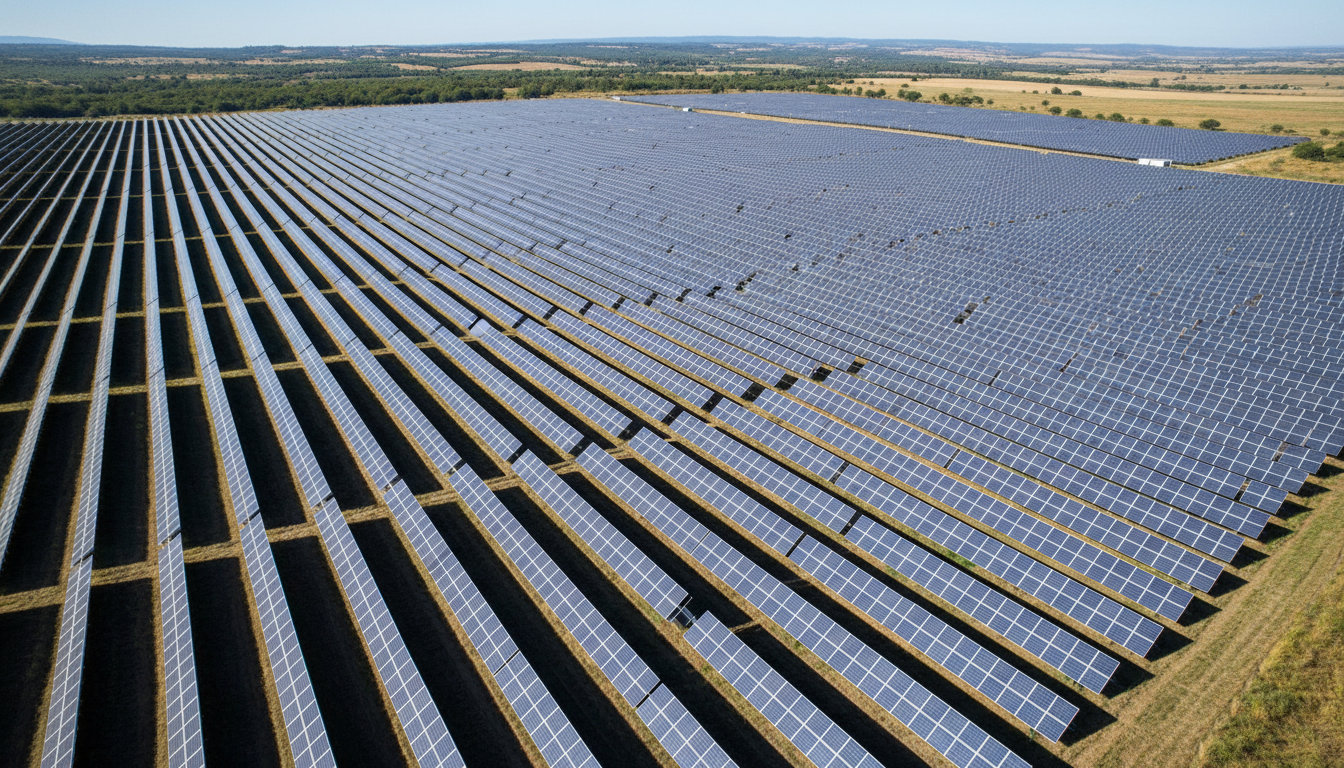
Myth 4: Renewable Energy Cannot Support the Grid
There is a belief that renewable energy cannot support the demands of a modern grid. However, countries around the world have shown that high percentages of renewable energy can be integrated into national grids without sacrificing reliability.
Advanced grid management and the use of smart technologies enable the effective distribution and balancing of energy, ensuring that the grid can handle varying inputs from renewable sources.
The Future of Renewable Energy
As we continue to innovate and improve renewable energy technologies, these myths will become increasingly outdated. The potential environmental, economic, and social benefits of adopting renewable energy solutions are vast and undeniable.
By understanding and debunking these myths, we can move towards a cleaner, more sustainable energy future that benefits everyone.