
Common Misconceptions About Renewable Energy: What You Need to Know
Understanding Renewable Energy
Renewable energy has gained significant traction as a viable solution to the world's growing energy needs. However, it is often surrounded by misconceptions that can cloud judgment and hinder progress. In this post, we aim to clear up some of these misunderstandings, offering a clearer picture of what renewable energy truly entails.

Myth: Renewable Energy Is Unreliable
One common misconception is that renewable energy sources, such as wind and solar, are unreliable due to their dependence on weather conditions. While it's true that the sun doesn't always shine and the wind doesn't always blow, advancements in technology and energy storage have significantly improved reliability. With the integration of energy storage systems, renewables can now provide a consistent power supply.
Myth: Too Expensive to Implement
Another prevalent myth is that renewable energy is too costly to implement on a large scale. Initially, the setup costs for renewable energy systems can be high. However, the costs have been steadily decreasing over the years. In many cases, renewables have become more economically viable than traditional fossil fuels, especially when considering the long-term savings on energy costs and environmental benefits.

Myth: Renewable Energy Can't Meet Global Demand
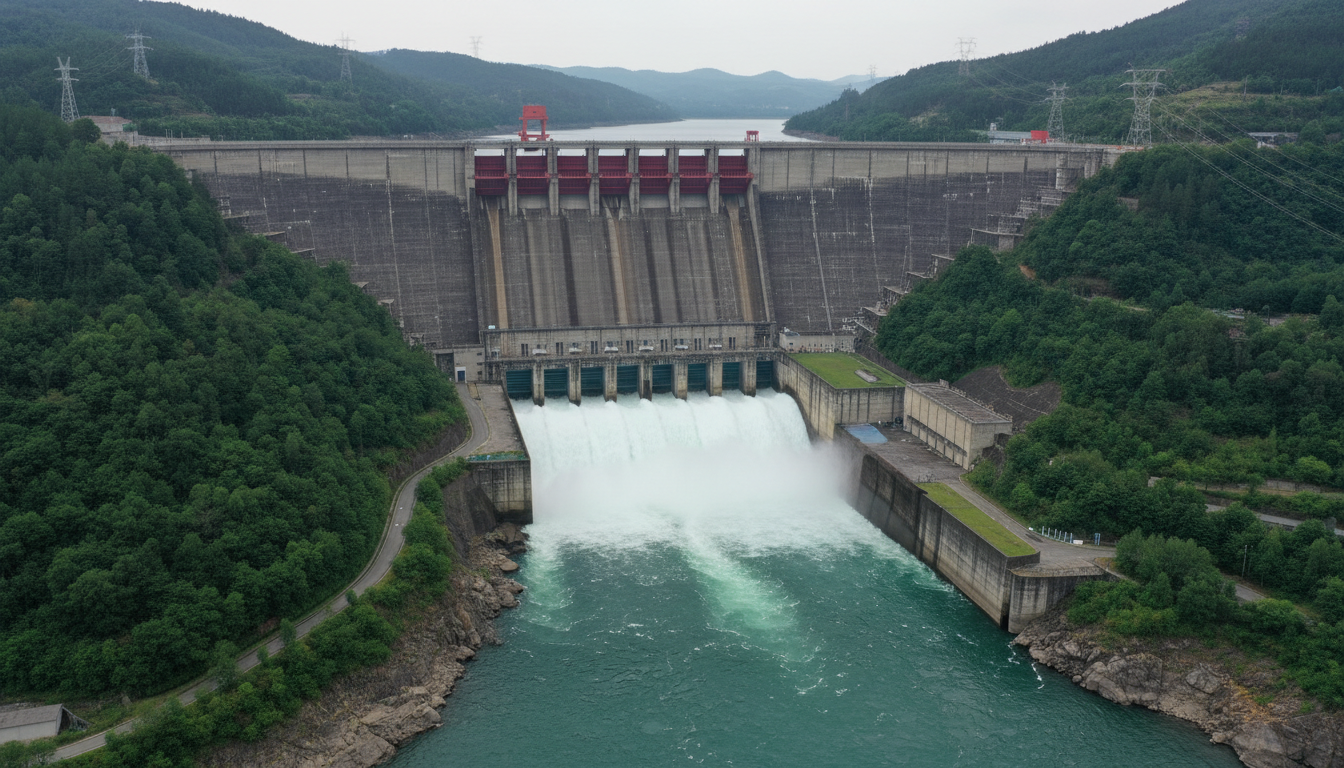
Some argue that renewable energy cannot meet the global energy demand. However, studies have shown that with the right mix of renewable sources, it is possible to satisfy the world’s energy needs. The key lies in diversifying the energy portfolio and investing in a combination of solar, wind, hydro, and other renewable technologies.
The Environmental Impact
Renewable energy is often touted as environmentally friendly, but there are misconceptions about its impact. While all energy sources have some environmental footprint, renewables generally have a much lower impact compared to fossil fuels. The production and disposal of renewable energy technologies are areas for improvement, but ongoing research and development are addressing these issues.
The Role of Government and Policy
Government policies play a crucial role in the adoption of renewable energy. Some believe that without subsidies, renewables cannot compete with traditional energy sources. However, subsidies are a common practice in the energy sector, and many governments are shifting focus to support renewables as part of a broader strategy to combat climate change and promote sustainability.
Myth: Renewable Energy Is a New Concept
Finally, there's a misconception that renewable energy is a novel concept. In reality, humans have harnessed natural energy sources for centuries. What is new is the scale and sophistication with which we can now deploy these technologies. Solar panels, wind farms, and hydroelectric plants are the result of decades of innovation and improvement.
In conclusion, understanding and debunking these common misconceptions can help foster a more informed discussion about the future of energy. As technology advances and the global community becomes more committed to sustainability, renewable energy will undoubtedly play an essential role in powering our world.