
Case Study: Improving Efficiency with Smart Grid Technology in Grantsville
Introduction to Smart Grid Technology
Grantsville has been at the forefront of adopting cutting-edge technology to enhance its infrastructure and improve overall efficiency. One of the most significant advancements in recent years has been the implementation of smart grid technology. This innovation has not only transformed the way energy is managed but has also set a benchmark for other towns and cities aiming to modernize their electrical grids.
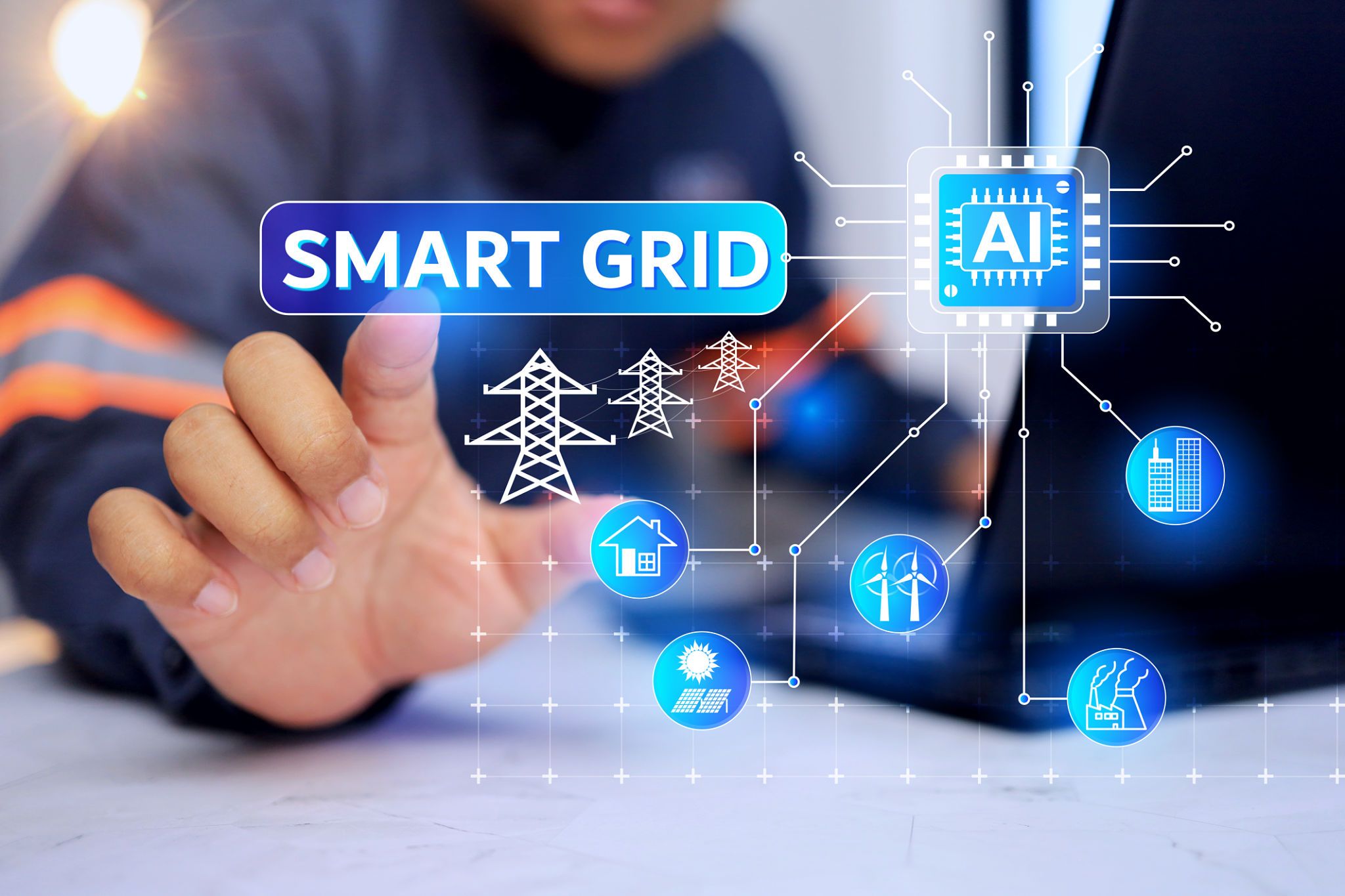
The concept of a smart grid revolves around the integration of digital technology with traditional electrical networks. This fusion allows for real-time monitoring and management of energy flow, resulting in a more efficient and reliable power supply. Grantsville's journey towards a smarter grid has been an enlightening case study for many urban planners and energy experts.
The Need for Improved Efficiency
Before the introduction of smart grid technology, Grantsville faced several challenges associated with its aging electrical infrastructure. Frequent outages, energy loss, and high maintenance costs plagued the community. These issues highlighted the urgent need for a solution that could streamline energy distribution and minimize wastage.
The decision to adopt smart grid technology was driven by the town's commitment to sustainability and efficiency. By implementing this system, Grantsville aimed to reduce its carbon footprint, lower energy costs for residents, and enhance the resilience of its power supply.
Key Features of the Smart Grid
Grantsville's smart grid is equipped with several innovative features designed to optimize energy use:
- Advanced Metering Infrastructure (AMI): Enables two-way communication between utilities and consumers, allowing for precise energy tracking and billing.
- Automated Control Systems: Facilitate real-time adjustments to energy flow, improving grid reliability.
- Renewable Energy Integration: Supports the seamless incorporation of solar and wind energy into the grid.

Benefits Observed in Grantsville
The transition to a smart grid has yielded numerous benefits for Grantsville. One of the most notable improvements has been in energy efficiency. The town has reported a significant reduction in energy loss due to the grid's ability to detect and address inefficiencies promptly.
Additionally, residents have experienced fewer power outages and quicker restoration times when disruptions occur. The advanced monitoring capabilities of the smart grid enable utilities to identify and resolve issues before they escalate into major problems.
Environmental and Economic Impact
Environmentally, the smart grid has facilitated a substantial decrease in Grantsville's carbon emissions. By integrating renewable energy sources and optimizing energy consumption, the town has made strides toward its sustainability goals.
Economically, the smart grid has lowered operational costs for utilities, savings that have been passed on to consumers in the form of reduced energy bills. This financial relief has been a welcome change for many households and businesses.

Lessons Learned and Future Plans
The successful implementation of smart grid technology in Grantsville provides several lessons for other communities. Key among these is the importance of stakeholder collaboration. Engaging local government, utility companies, and residents has been crucial in ensuring the smooth rollout and acceptance of the new system.
Looking ahead, Grantsville plans to continue expanding its smart grid capabilities. Future projects include enhancing cybersecurity measures and integrating more advanced data analytics to further optimize energy management.
In conclusion, the case study of Grantsville illustrates the transformative potential of smart grid technology. By improving efficiency, reliability, and sustainability, smart grids are paving the way for a more resilient energy future.