5 Ways Data Technology Improves Energy Efficiency in Homes and Businesses
Introduction to Data Technology in Energy Efficiency
In today's rapidly evolving world, the integration of data technology has become a cornerstone in enhancing energy efficiency for both homes and businesses. By leveraging advanced data analytics, we can optimize energy consumption, reduce waste, and ultimately save on costs.
1. Smart Home Systems
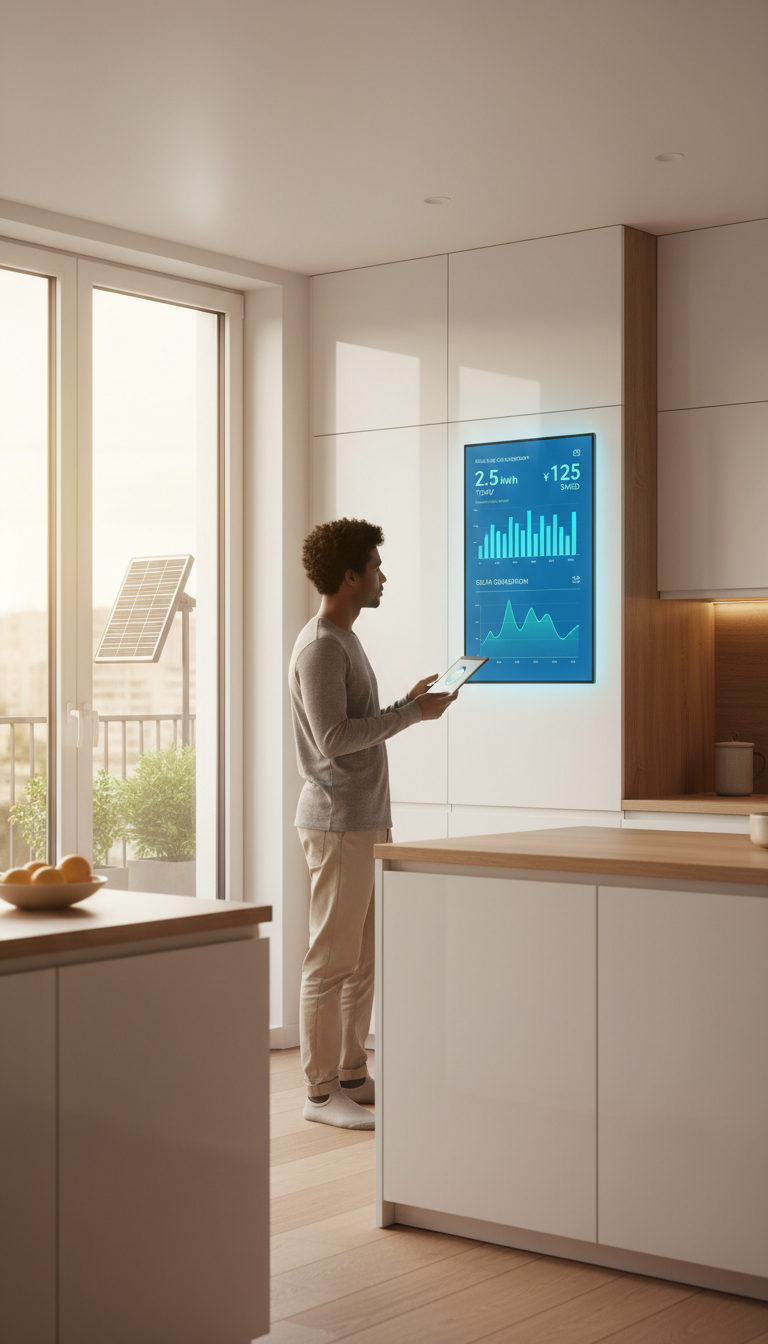
Smart home systems are revolutionizing how we manage energy use. These systems utilize data technology to monitor and automate energy consumption in real-time. Homeowners can control lighting, heating, and cooling systems remotely, ensuring energy is used only when necessary.
For instance, smart thermostats learn user preferences and adjust settings automatically, which can lead to significant energy savings over time. These devices also provide detailed usage reports, helping users understand their consumption patterns better.
2. Energy Monitoring Tools
Energy monitoring tools are critical in identifying areas where energy efficiency can be improved. These tools collect and analyze data on energy usage across different appliances and systems. By receiving real-time feedback, users can make informed decisions to reduce unnecessary energy use.
Businesses, in particular, benefit from these tools by identifying inefficient equipment and processes that consume excessive energy. This data-driven approach allows for targeted improvements, leading to reduced operational costs.
3. Predictive Maintenance
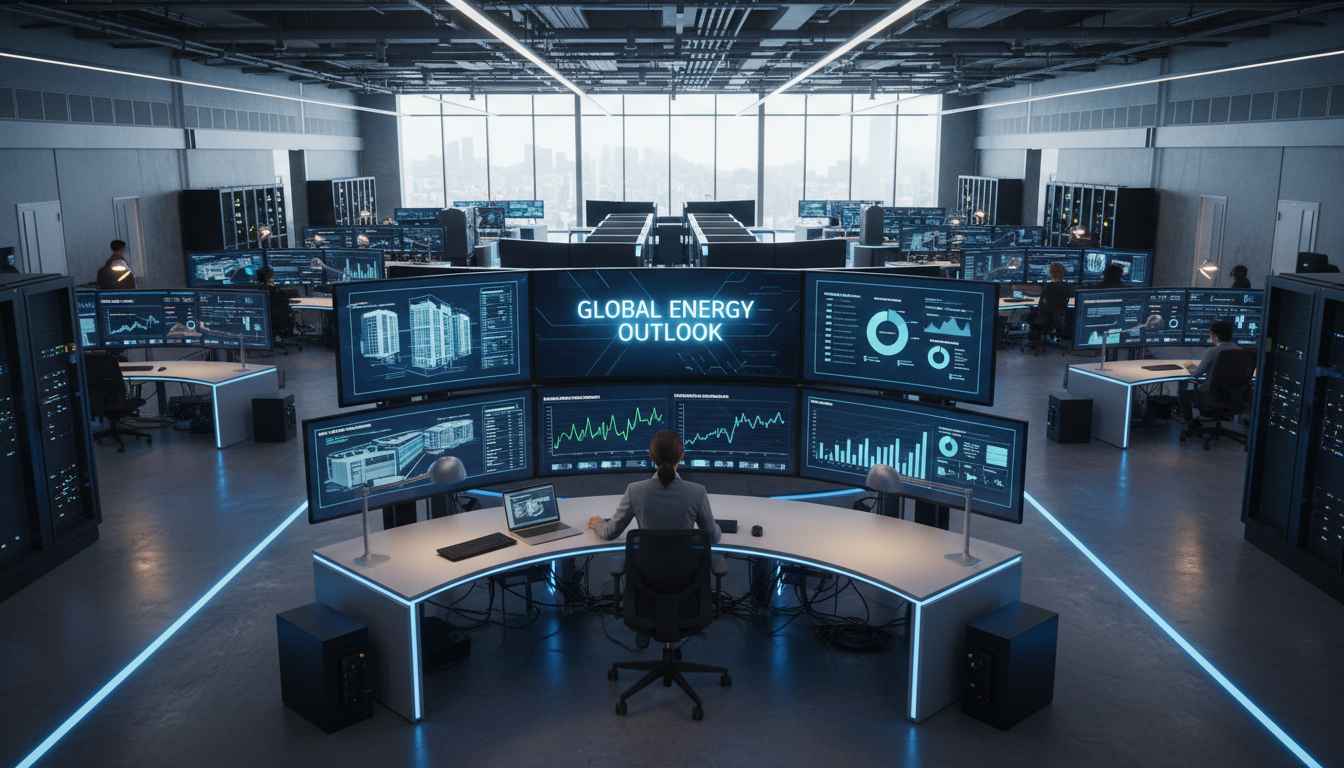
Predictive maintenance is another area where data technology is making a significant impact. By using data analytics and sensors, it is possible to predict when equipment is likely to fail or require maintenance. This proactive approach ensures that systems operate efficiently and reduces energy waste due to malfunctioning equipment.
For businesses, this means less downtime and lower repair costs, while for homeowners, it translates to the seamless operation of their home systems, ensuring that energy is not wasted through inefficient appliances.
4. Demand Response Programs
Demand response programs are designed to adjust the demand for power instead of adjusting the supply. These programs utilize data technology to analyze usage patterns and provide incentives for consumers to reduce or shift their electricity usage during peak periods.
By participating in these programs, both residential and commercial users can contribute to energy efficiency and benefit from lower energy bills. This not only helps in reducing the strain on the grid but also promotes sustainable energy practices.

5. Renewable Energy Integration
Data technology plays a crucial role in integrating renewable energy sources into existing power systems. By analyzing weather patterns and energy production data, homes and businesses can optimize the use of solar panels, wind turbines, and other renewable sources.
This integration ensures a consistent and efficient energy supply, reducing reliance on non-renewable energy sources. Moreover, users can track their renewable energy production and consumption, making it easier to manage and maximize their energy efficiency.
Conclusion
Data technology is undeniably transforming the landscape of energy efficiency. From smart home systems to predictive maintenance, these innovations provide tools and insights that empower users to make smarter energy choices. As technology continues to advance, the potential for even greater energy efficiency becomes increasingly attainable, paving the way for a more sustainable future.